The Assignment That Changed Everything
Mrs. Peterson announced it on a Tuesday in October 1983: "Your report on the Civil War is due in three weeks. Five pages, minimum three sources, typed or neatly handwritten." Twenty-eight fourth-graders groaned in unison, but they had no idea they were about to embark on a treasure hunt that would consume entire weekends and transform their families into research assistants.
Today, that same assignment would take maybe an hour. Back then, it was a month-long odyssey.
The War Council Convenes
That evening, the Henderson family gathered around the kitchen table for what would become known as "homework planning." Dad consulted the TV Guide to see when the library would be least crowded. Mom checked the encyclopedia set they'd bought from a door-to-door salesman in 1979—all 24 volumes of the World Book Encyclopedia that cost $847, roughly equivalent to $3,200 today.
The family's research strategy emerged: hit the school library first for basic facts, visit the public library downtown for the good books, and pray that nobody else in class had checked out "The Blue and the Gray" documentary series from the video collection.
This wasn't helicopter parenting. This was survival. Without the internet, finding information required tactical planning, backup options, and the entire household's cooperation.
The Great Library Expedition
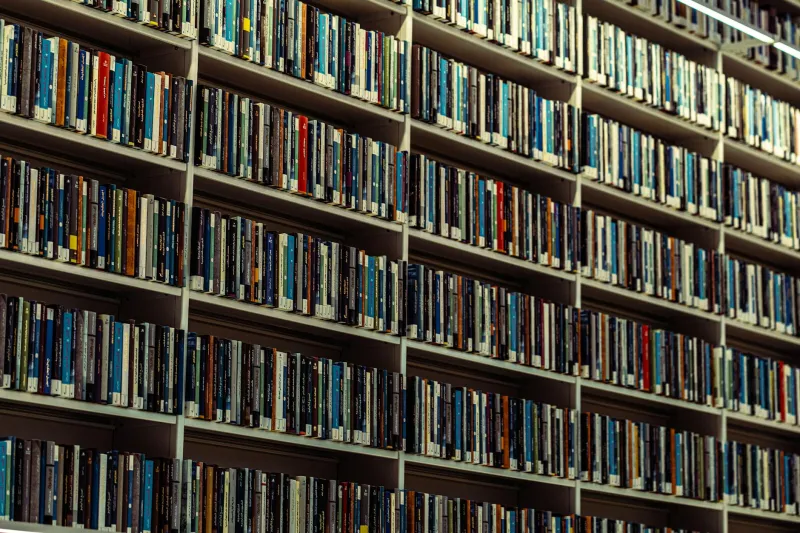
Saturday morning meant packing snacks and quarters for the parking meter. The downtown library was a cathedral of knowledge where silence was sacred and the card catalog was your compass. Ten-year-old Jennifer Henderson approached the wooden drawers with reverence, pulling out the long, narrow cards that held the secrets of the Dewey Decimal system.
973.7—that was the magic number for Civil War books. She scribbled down call numbers on scratch paper: 973.73 CAT for Bruce Catton's "The Civil War," 973.711 FOO for Shelby Foote's trilogy. Each number was a treasure map leading to a specific shelf in a specific section.
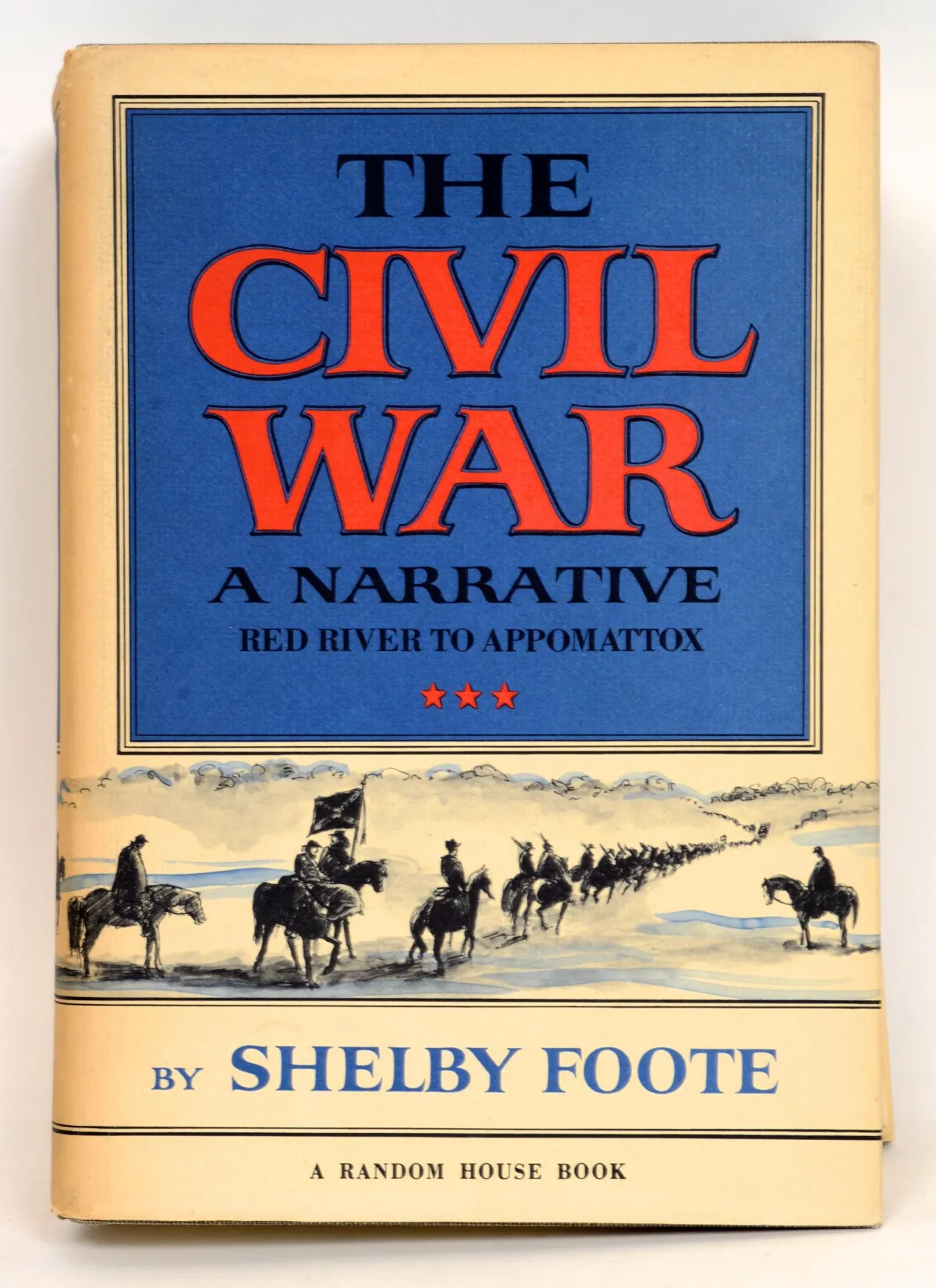 Photo: Shelby Foote, via a.1stdibscdn.com
But here's what kids today can't imagine: those books might not be there. Someone else might have checked them out. The good ones with pictures and maps were always gone first. You learned to have backup plans for your backup plans.
The Encyclopedia Gamble
The Henderson family's World Book set was their secret weapon, but it came with limitations. The Civil War entry was exactly four pages long—no more, no less. It covered the basics but couldn't dive deep into specific battles or lesser-known figures. For those details, you needed specialized books, and specialized books lived at the library.
Richer families might own additional reference sets: Britannica for serious research, Funk & Wagnalls for everyday questions, and maybe a set of Childcraft for the younger kids. These encyclopedias cost as much as a used car and took up an entire wall of the living room. They were investments in their children's education and status symbols that announced to visitors: "This family values learning."
The Xerox Revolution
By the mid-1980s, photocopying had revolutionized student research. For ten cents a page, you could capture information without checking out entire books. Libraries installed copy machines that required exact change and had a mysterious tendency to jam at the worst possible moments.
Kids developed photocopying strategies: copy the table of contents first to plan your approach, always bring more quarters than you think you'll need, and pray the machine doesn't eat your dime when you're copying the one page with the perfect map of Gettysburg.
The Typing Ordeal
Once the research was complete, the real challenge began: typing. Families with typewriters were the lucky ones, but even they faced the terror of the irreversible mistake. White-Out was a precious commodity. Correction tape was a luxury. One major error on page four meant starting over completely.
Many families took their handwritten reports to professional typing services—usually run by former secretaries who charged by the page and could spot a grammatical error from across the room. Getting your report professionally typed was like hiring a contractor; you scheduled it weeks in advance and prayed they'd have it ready on time.
The Verification Problem
Here's something that seems impossible now: sometimes, you simply couldn't verify a fact. You'd find conflicting information in different books, and there was no way to determine which source was correct. Was it 618,000 Civil War deaths or 750,000? Different books said different things, and you just had to pick one and hope your teacher didn't notice.
This uncertainty taught kids something valuable: information wasn't absolute truth handed down from authority. It was provisional, debatable, and sometimes just plain wrong. You learned to read critically, compare sources, and accept that some questions didn't have perfect answers.
The Social Network of Knowledge
Research was inherently social. Kids called classmates to share discoveries: "Did you know Lincoln grew his beard because an 11-year-old girl told him to?" Parents networked with other parents, trading information about which libraries had the best Civil War collections and which encyclopedias were worth the investment.
Teachers became curators of knowledge, maintaining lists of recommended books and steering students toward reliable sources. The school librarian was a superhero who could locate obscure information with supernatural skill. These human networks replaced what algorithms do today.
What Friction Taught Us
The difficulty of finding information created something unexpected: appreciation for knowledge itself. When facts were hard-won, they felt valuable. Kids remembered what they'd struggled to learn in ways they don't remember what they've googled.
The research process taught patience, resourcefulness, and planning. It forced students to think broadly about their topics before diving into specifics. You couldn't just follow link after link; you had to develop a research strategy and stick with it.
The Last Encyclopedia
Encyclopædia Britannica stopped printing physical editions in 2012, ending a 244-year run. The final 32-volume set cost $1,395 and weighed 129 pounds. Most families had long since replaced their encyclopedia sets with CD-ROMs, then websites, then smartphones.
But something was lost in translation. The physical encyclopedia was a commitment to learning that sat in your living room as a daily reminder. Research was an event, not an impulse. Knowledge felt substantial because finding it required effort.
Today's students have access to more information than any generation in history, but they've lost the satisfaction of the hunt. The next time you Google something instantly, remember that there was once a time when finding that same fact would have been a weekend adventure involving your entire family.
Some treasures are worth the quest.