The Map in the Glove Compartment: When Getting Lost Was Just Part of the Trip
When Navigation Required an Education
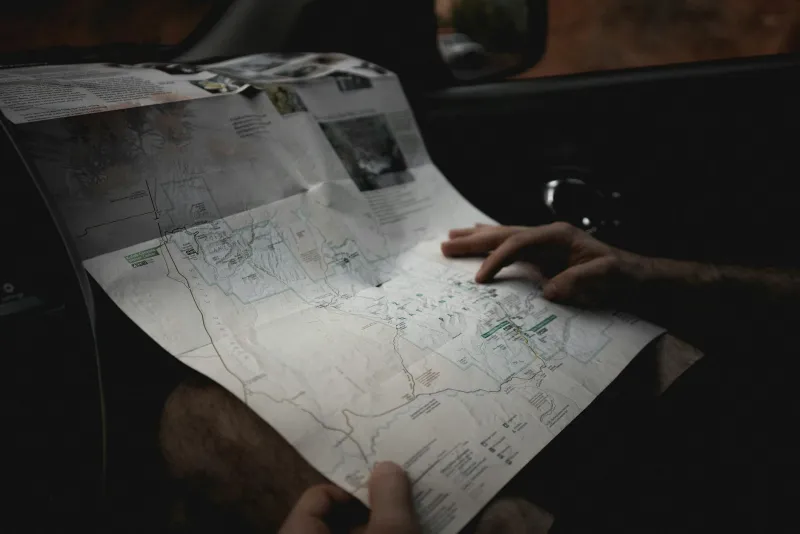
Every family car had a ritual: before any trip longer than fifty miles, someone would unfold the road atlas across the kitchen table and trace the route with their finger. The atlas—usually a Rand McNally that had seen better days—would reveal the skeleton of America's highway system in precise detail. Interstate numbers, mile markers, rest stop locations, and the distances between cities were all there, waiting to be deciphered by anyone willing to learn the language of maps.
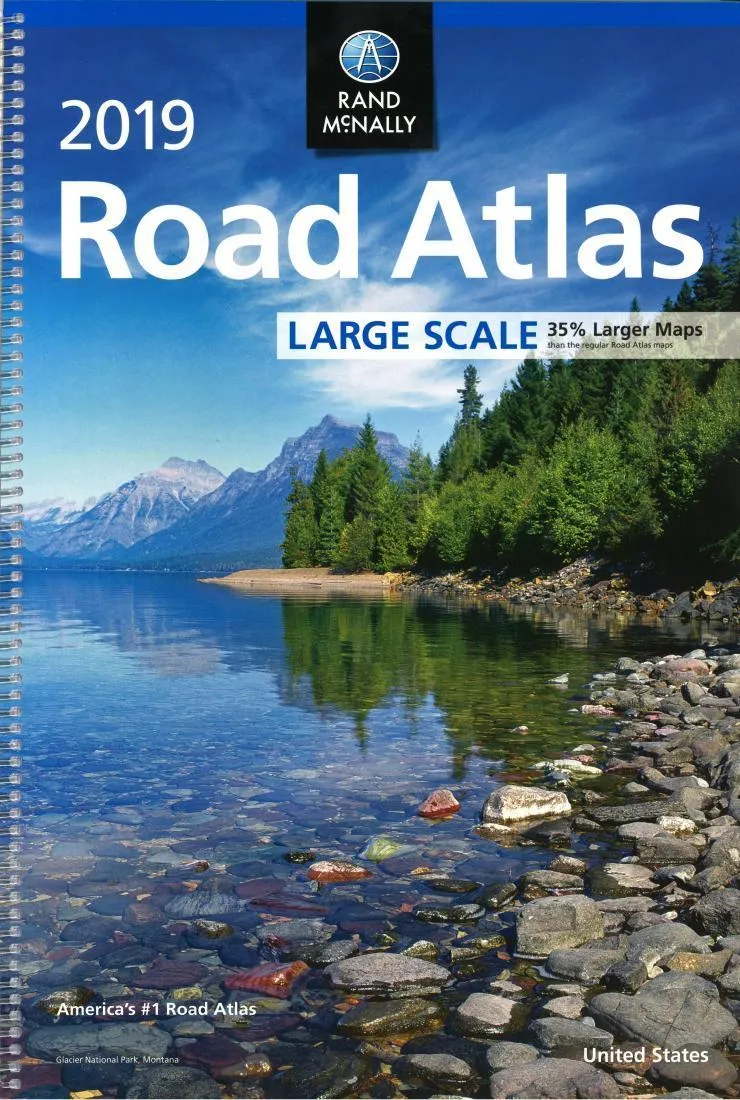 Photo: Rand McNally, via cdn.shopify.com
The person riding shotgun became the official navigator, responsible for calling out upcoming turns and monitoring progress against the planned route. This wasn't a passive role—it required constant attention to road signs, exit numbers, and the relationship between the map and the landscape passing outside the windows. Families developed their own systems: some marked their route in yellow highlighter, others wrote turn-by-turn directions on index cards.
Getting ready for a road trip meant more than packing bags. It meant studying the route, identifying potential stopping points, and preparing for the possibility that things wouldn't go according to plan. The map was insurance against the unknown, but it wasn't foolproof. Sometimes the road you planned to take was under construction. Sometimes you missed an exit. Sometimes the map was just wrong.
The Art of Asking Directions
When uncertainty struck, you pulled into a gas station and asked another human being for help. This simple interaction—approaching a stranger and admitting you didn't know where you were—created moments of connection that GPS has eliminated entirely. Gas station attendants became informal travel consultants, sketching alternate routes on napkins and warning about construction delays ahead.
Locals had knowledge that no map could provide. They knew which route was more scenic, which road had better restaurants, and which highway turned into a parking lot during rush hour. These conversations often led to discoveries: a roadside attraction you'd never heard of, a shortcut that saved an hour, or a local diner that served the best pie in three counties.
The process of getting lost and finding your way back taught skills that extended beyond navigation. Children learned to read maps, understand scale and direction, and think spatially about their environment. Adults developed confidence in their ability to figure things out without external help. The uncertainty was uncomfortable, but it was also empowering.
When Detours Led to Discovery
Without GPS constantly recalculating the fastest route, travelers were more likely to stick with unplanned diversions. A wrong turn might lead you through a charming small town you'd never intended to visit. A construction detour could reveal a scenic overlook that wasn't marked on any tourist map. These accidental discoveries often became the most memorable parts of the trip.
The slower pace of pre-GPS travel created space for spontaneity. If you saw an interesting sign for a historical marker or a local attraction, you could follow it without worrying about adding minutes to your arrival time. The journey itself was part of the experience, not just an obstacle between you and your destination.
Families developed travel traditions around these uncertainties. Some made games out of getting lost, challenging each other to navigate back to the main route using only road signs and intuition. Others kept travel journals, documenting unexpected stops and wrong turns that led to interesting experiences.
The Death of Productive Confusion
Modern GPS has eliminated most of the friction from travel, but it has also eliminated most of the discovery. Today's navigation systems optimize for efficiency above all else, routing drivers along the fastest path while providing turn-by-turn instructions that require no spatial thinking or environmental awareness. The blue line on your phone screen becomes the only reality that matters.
Drivers no longer need to understand where they are in relation to their surroundings. The GPS will handle all the thinking, leaving passengers free to stare at their phones instead of watching the landscape change. The co-pilot position has been automated away, replaced by a device that never gets tired, never misreads a sign, and never suggests an unplanned stop.
When modern travelers do get lost—usually because they ignored their GPS or drove into a dead zone—they often feel helpless in ways that previous generations would have found baffling. The skills needed to read physical maps, ask for directions, and navigate by landmarks have atrophied from disuse.
What We Traded for Certainty
The efficiency of GPS navigation comes at the cost of engagement with the physical world. Pre-GPS travelers developed a mental map of the places they visited, understanding how cities connected to each other and how different routes related to the landscape. Modern travelers often arrive at destinations with no clear sense of how they got there or how to leave without their phone.
The social interactions that came with getting lost—asking directions, getting recommendations from locals, sharing travel stories with strangers—created connections that algorithms cannot replicate. These brief encounters with helpful strangers reinforced a sense of community and mutual assistance that extended beyond travel.
Perhaps most importantly, the uncertainty of pre-GPS travel forced people to be present in their surroundings. Without a voice telling them exactly when to turn, drivers had to pay attention to road signs, landmarks, and the general flow of traffic. Navigation required active participation rather than passive compliance.
The paper map in the glove compartment represented more than just a navigation tool—it was a symbol of self-reliance and adventure. It acknowledged that travel involved uncertainty and discovery, that the best journeys weren't always the most efficient ones, and that sometimes the most memorable experiences came from ending up somewhere you never planned to be.
In optimizing travel for speed and convenience, we may have optimized away much of what made the journey worthwhile. The blue line on our phones gets us where we're going faster than ever before, but it can't replicate the satisfaction of figuring out the route yourself, the excitement of discovering something unexpected, or the confidence that comes from knowing you can find your way home even when everything goes wrong.