The 5:30 AM Entrepreneur
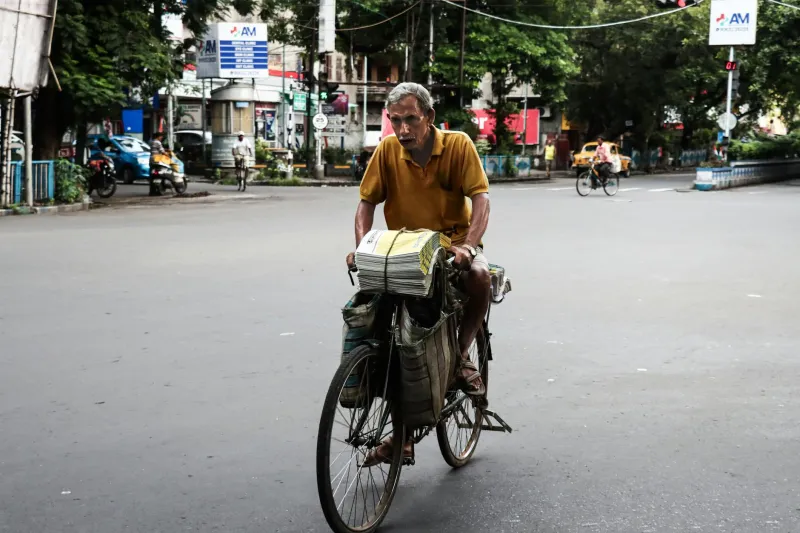
Every morning at 5:30 AM, nine-year-old Danny Martinez would load forty-seven newspapers into the basket of his Schwinn Stingray and begin his route through the Maple Heights subdivision. Rain or shine, summer heat or winter snow, Danny pedaled through empty streets, folding papers with practiced precision and launching them onto driveways with the accuracy of a seasoned pitcher.
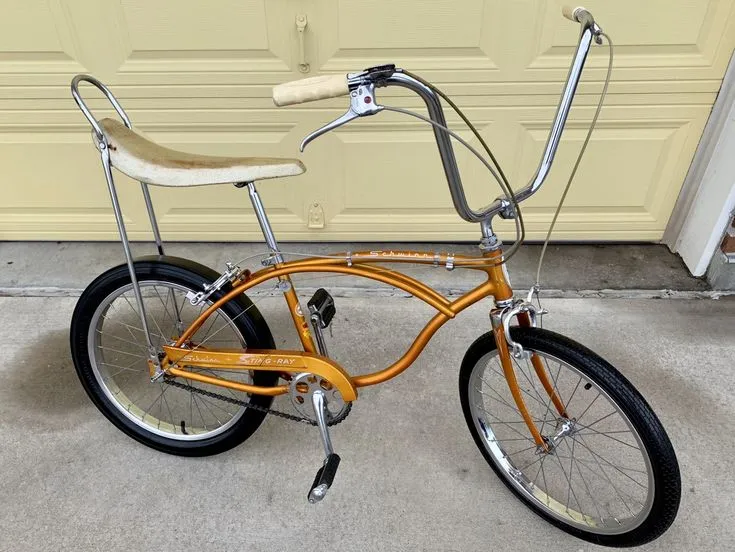 Photo: Schwinn Stingray, via i.pinimg.com
 Photo: Maple Heights, via mapleheightsohio.gov
By 7 AM, Danny was back home, counting the day's earnings and updating his customer ledger—a composition notebook where he tracked payments, noted vacation holds, and recorded which houses tipped at Christmas. At nine years old, he was running a legitimate business operation that would make modern entrepreneurs proud.
This wasn't unusual in 1975. Across America, hundreds of thousands of children operated similar enterprises with minimal adult supervision. They managed schedules, handled money, dealt with difficult customers, and learned lessons about responsibility that no classroom could teach.
When Kids Controlled Their Own Economy
The childhood job market of the 1970s and 1980s operated by rules that seem almost fictional today. Seven-year-olds knocked on strangers' doors to ask about lawn mowing opportunities. Ten-year-olds babysat infants for neighbors they'd known for years. Twelve-year-olds shoveled driveways for cash, negotiating prices and building client relationships without parental oversight.
Paper routes were the crown jewel of childhood employment. Kids as young as eight could sign up with local newspapers, receiving detailed maps of their assigned territories and instructions for collection procedures. They learned to fold papers efficiently, memorize house numbers, and develop systems for rainy day deliveries.
The financial education was immediate and practical. Danny learned that Mrs. Henderson always paid two weeks late, that the Johnsons tipped generously for good service, and that vacation season meant temporary income reduction. He discovered the difference between gross and net income when he had to pay for replacement papers thrown into bushes or stolen by dogs.
Collection day was particularly educational. Every month, Danny would spend Saturday afternoon knocking on doors, asking customers to pay their newspaper bills. Some paid promptly with exact change. Others required multiple visits. A few tried to negotiate lower rates or dispute delivery dates. These interactions taught negotiation skills, persistence, and the uncomfortable reality that not everyone honors their obligations.
The Unsupervised Learning Laboratory
What made these childhood jobs remarkable wasn't just the work itself—it was the complete absence of adult micromanagement. Parents might help secure the initial opportunity, but day-to-day operations were entirely the child's responsibility. There were no permission slips, background checks, or liability waivers. Kids succeeded or failed based on their own efforts and decisions.
This freedom came with genuine consequences. Danny lost customers when he missed deliveries due to oversleeping. He learned about weather planning after ruining papers in unexpected rain. When he accidentally broke a window with an errant newspaper throw, he paid for the replacement from his own earnings—a lesson in accountability that no amount of theoretical discussion could provide.
The jobs also taught time management in ways that modern scheduled activities cannot. Danny had to balance his route with school, homework, and play time. There was no adult coordinator ensuring everything fit together perfectly. He learned to prioritize, plan ahead, and manage competing demands on his schedule.
The Great Supervision Revolution
Sometime during the 1990s, the world of childhood work began changing dramatically. Liability concerns made many traditional jobs unavailable to minors. Paper routes consolidated into adult positions as newspapers struggled with declining circulation. Suburban neighborhoods became less trusting of door-to-door interactions, making cold-calling for lawn care opportunities increasingly difficult.
Parental attitudes shifted as well. The same parents who had once operated their own childhood businesses now worried about their children's safety, academic performance, and college preparation. Time once spent on paper routes was redirected toward organized sports, music lessons, and supervised volunteer activities designed to build résumés rather than character.
Today's child labor laws, while well-intentioned, have effectively eliminated most genuine work opportunities for children under fourteen. Modern kids might participate in lemonade stands or organized fundraising activities, but these supervised experiences lack the authentic responsibility and real consequences that made traditional childhood jobs so educational.
What Replaced the Paper Route
Modern childhood is heavily scheduled and adult-supervised. Where Danny once learned time management by balancing work and play independently, today's kids follow calendars managed by parents who coordinate carpools between soccer practice, piano lessons, and tutoring sessions.
The lessons once learned through childhood employment are now taught through structured programs. Financial literacy classes replace the immediate education of collecting payments and managing income. Leadership workshops substitute for the natural authority that came with running your own route. Community service requirements provide supervised helping experiences instead of the organic relationship-building that happened when kids worked for neighbors.
These modern approaches have benefits—they're safer, more equitable, and designed by education professionals. But they lack the authenticity and personal stakes that made childhood work so powerful. When Danny lost a customer due to poor service, the consequence was immediate and personal. When today's kids make mistakes in structured activities, the impact is cushioned by adult intervention and second chances.
The Skills That Drifted Away
The generation that grew up with paper routes, lawn mowing businesses, and babysitting jobs developed a particular kind of confidence that's harder to find today. They learned to interact with adults as peers, negotiate fair treatment, and recover from failures without parental rescue.
They also developed what economists call "entrepreneurial thinking"—the ability to identify opportunities, assess risks, and create value through their own efforts. Danny didn't just deliver newspapers; he analyzed his route for efficiency, developed customer retention strategies, and reinvested earnings into better equipment.
Perhaps most importantly, they learned that work and money were directly connected. Every dollar Danny earned represented specific effort and time investment. This understanding of money as stored labor created spending habits and financial attitudes that lasted into adulthood.
The End of an Independence Era
By the time Danny graduated high school in 1984, his younger siblings were already experiencing a different childhood. Increased traffic made bike riding seem more dangerous. Stranger danger awareness made door-to-door interactions feel risky. Academic competition made parents reluctant to let kids spend time on "non-educational" activities.
The paper route that had taught Danny about business, responsibility, and money management was becoming a relic of a more trusting, less supervised era. The childhood jobs that had once been considered normal parts of growing up were drifting away, taking with them a particular kind of practical education that no classroom could replicate.
Today, Danny is a successful business owner who credits much of his entrepreneurial confidence to lessons learned during those early morning bike rides through Maple Heights. But when his own children ask about starting a paper route, he has to explain that the world has changed—and that particular path to growing up no longer exists.