The Three-Week Thank You: When Gratitude Had Rules and Deadlines
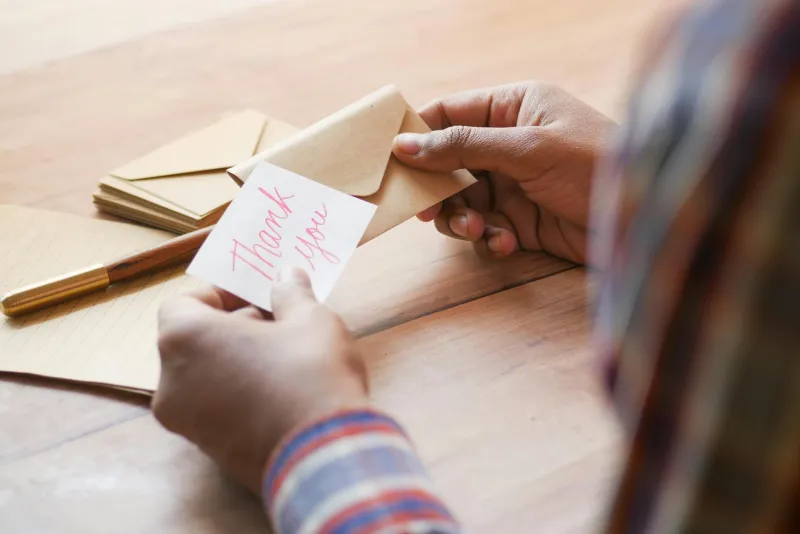
Your grandmother kept a dedicated drawer for them. Cream-colored cardstock, fountain pen ink that took forever to dry, and a mental calendar that tracked every gift, dinner invitation, and act of kindness she needed to acknowledge. The thank-you note wasn't just polite correspondence—it was a social contract that could make or break relationships.
The Unbreakable Three-Week Rule
From the 1920s through the 1980s, American etiquette operated under strict timelines. Wedding gifts required acknowledgment within three months, but everything else—birthday presents, dinner parties, job interview follow-ups, condolence visits—demanded a handwritten response within three weeks. Miss that window, and you'd earned yourself a reputation as thoughtless or, worse, ungrateful.
These weren't casual notes dashed off between errands. Proper thank-you correspondence followed rigid formulas taught in finishing schools and passed down through families. The paper had to be quality stock, preferably cream or white. The handwriting needed to be legible. The message required specific elements: acknowledgment of the gift or kindness, mention of how it would be used or appreciated, a reference to the relationship, and an invitation for future contact.
When Your Social Standing Hung on Stationery
Mothers kept mental scorecards of which families sent proper thank-you notes and which didn't. A prompt, well-written acknowledgment could elevate your family's standing in the community. A missing note or sloppy penmanship could result in whispered conversations at bridge clubs and fewer dinner invitations.
The pressure was so intense that department stores dedicated entire sections to thank-you note supplies. Hallmark built an empire partly on pre-printed cards with blank spaces for personal messages. Wealthy families employed secretaries specifically to manage correspondence calendars, ensuring no social obligation went unmet.
Children learned the rules early. A birthday party meant writing individual notes to every guest, even if twenty kids attended. Christmas morning was followed by January afternoons spent at the kitchen table, carefully crafting messages to aunts and grandparents. The notes were inspected by parents before mailing—poor handwriting or insufficient gratitude earned a rewrite.
The Slow Erosion of Effort
The decline started subtly in the 1990s. Email offered a faster alternative, though many etiquette guides insisted handwritten notes remained superior for significant occasions. Phone calls became acceptable for smaller gestures. By the 2000s, the three-week rule had quietly disappeared from most American households.
Today's gratitude operates in real-time. A quick text saying "thanks!" arrives before the gift-giver has left your driveway. Instagram stories showcase presents with tagged appreciation. Emoji reactions acknowledge birthday wishes in bulk. The entire ritual that once required planning, supplies, and sustained effort now happens in seconds.
What We Lost When Gratitude Became Instant
The old system wasn't just about politeness—it created space for reflection. Sitting down to write a proper thank-you note forced you to actually consider what someone had done for you. You had to find specific words for your appreciation, remember details about the gift or gesture, and think about your relationship with that person.
Those handwritten cards also provided lasting evidence of gratitude. Grandmothers kept shoeboxes full of thank-you notes from grandchildren, re-reading them years later. The physical act of writing, mailing, and receiving created a tangible exchange that strengthened bonds between people.
The three-week timeline built anticipation and importance into the process. Both sender and recipient understood that proper gratitude required time and thought. A thank-you note that arrived quickly seemed rushed; one that came exactly at the deadline showed careful attention to social obligations.
The Speed of Modern Appreciation
Today's instant gratitude serves efficiency over depth. We can acknowledge dozens of birthday wishes with a single Facebook post thanking "everyone" for their messages. Group texts let us thank multiple gift-givers simultaneously. The convenience is undeniable, but something essential was lost in translation.
Modern appreciation lacks the weight that came with formal correspondence. When gratitude required purchasing stationery, crafting careful sentences, addressing envelopes, and making trips to the post office, it carried significance. The effort itself became part of the message.
When Relationships Required Maintenance
The thank-you note system forced Americans to actively maintain their social networks. Every gift, favor, or kindness created an opportunity—and obligation—to strengthen connections through thoughtful correspondence. This constant low-level maintenance kept relationships warm even when people didn't see each other regularly.
We've gained speed and lost depth. Our gratitude travels faster than ever, but rarely lingers long enough to truly connect. The three-week thank-you note may seem antiquated now, but it represented something we're still learning to replace: the idea that some things in life are worth slowing down for, and that the effort we put into showing appreciation reflects how much we value each other.
In a world where "appreciated" can be conveyed with a thumbs-up emoji, we might wonder if we've made gratitude too easy—and in doing so, made it mean too little.