When Americans Earned Their Christmas: The Patient Culture That Credit Cards Killed
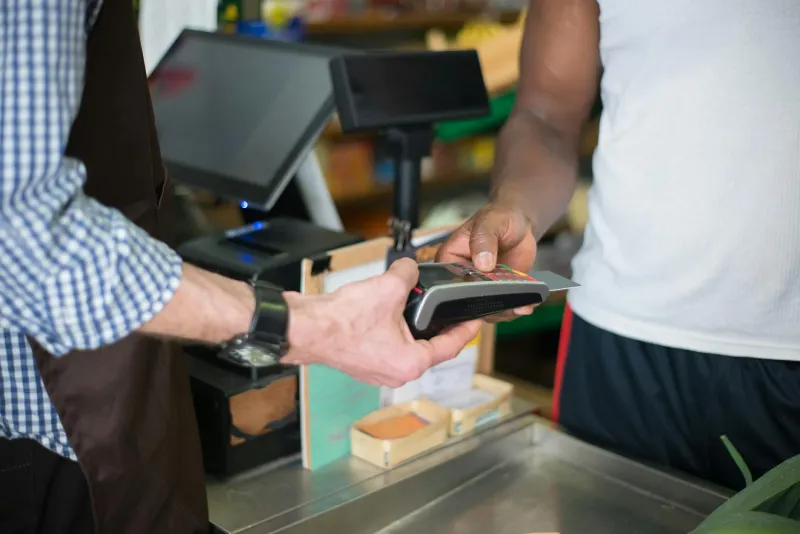
Walk into any Walmart today and you'll find aisles of holiday decorations in October, Black Friday deals starting in September, and checkout lanes designed to make impulse buying as frictionless as possible. Tap your phone, swipe your card, buy now and pay later. The entire retail ecosystem is built around the idea that wanting something and having it should happen in the same moment.
But if you had walked into a department store in 1975, you would have encountered something that seems almost quaint today: the layaway counter.
The Ritual of Patient Purchasing
Layaway wasn't just a payment plan—it was a cultural institution that shaped how Americans thought about money, desire, and delayed gratification. The process was beautifully simple: you'd spot something you wanted but couldn't afford, make a small down payment (usually 10-20%), and the store would hold your item while you made regular payments over several weeks or months.
Only when you'd paid in full could you take your purchase home.
For working-class families, layaway was how Christmas happened. Starting in August or September, parents would visit Kmart, Sears, or Montgomery Ward, carefully selecting toys and clothes for their children. They'd make their down payment, receive a receipt with a payment schedule, and spend the next three months dutifully returning to chip away at their balance.
The ritual created anticipation in a way that's almost impossible to imagine today. Children knew their parents were "putting things away" for Christmas, but the mystery remained intact. The gifts existed somewhere in the store's back room, accumulating slowly, building toward a moment of revelation that felt genuinely earned.
When Stores Invested in Your Success
Layaway required infrastructure that seems almost absurd by today's standards. Stores needed massive warehouse space to hold thousands of items for months at a time. They employed armies of clerks to track payments, manage inventory, and handle the complex logistics of a system that essentially turned every customer into a creditor.
Sears alone processed millions of layaway transactions each year, dedicating entire floors of their stores to climate-controlled storage areas where bicycles, winter coats, and television sets waited patiently for their owners to finish paying.
The system worked because it aligned everyone's incentives. Stores got guaranteed sales and customer loyalty. Customers got access to items they couldn't afford upfront without going into debt. And families learned to budget, plan, and exercise the kind of financial discipline that would serve them well beyond their shopping habits.
The Credit Revolution Changes Everything
Layaway began its slow death in the 1980s, killed not by consumer dissatisfaction but by something more seductive: instant credit. Credit cards, which had been luxury items for affluent customers, became mass-market products aggressively marketed to working-class Americans.
Why wait three months for a television when you could take it home today and pay for it over time? The monthly payments were roughly the same, but the gratification was immediate.
Retailers quickly realized that credit was more profitable than layaway. Instead of tying up warehouse space and administrative resources, they could simply process a credit card transaction and let banks handle the financing. Customers spent more when they could buy impulsively, and stores didn't have to worry about customers changing their minds or abandoning their layaway plans.
By the 1990s, most major retailers had quietly discontinued their layaway programs. The infrastructure was dismantled, the warehouse space converted to sales floors, and an entire way of thinking about consumption faded into memory.
What We Lost in Translation
The shift from layaway to credit wasn't just about payment methods—it represented a fundamental change in American consumer psychology. Layaway required you to prove you wanted something badly enough to wait for it. Credit only required you to want it in the moment.
Layaway built anticipation; credit eliminated it. Layaway required budgeting; credit made budgeting optional. Layaway meant Christmas morning felt like a culmination; credit made every day potentially Christmas morning, which paradoxically made Christmas morning feel less special.
The numbers tell the story of what replaced this patient culture. The average American household now carries over $6,000 in credit card debt. Buy-now-pay-later services like Klarna and Afterpay have exploded in popularity, essentially recreating layaway but with the instant gratification of immediate possession.
We've come full circle, but with a crucial difference: modern payment plans give you the item first and trust you to pay later. Layaway required you to pay first and trusted you to still want the item later.
The Patience Economy We Abandoned
Layaway wasn't perfect. It tied up money that families might have needed for emergencies. It required discipline that not everyone possessed. Some customers abandoned their purchases, losing their deposits and leaving stores with unwanted inventory.
But it also created something we've lost: a culture where wanting something and having it were separate experiences, where the gap between desire and possession was filled with planning, saving, and genuine anticipation.
Today's retail environment is designed to collapse that gap entirely. We've gained convenience, selection, and the ability to satisfy our wants immediately. But we've lost the distinct pleasure of earning something slowly, of building toward a goal over time, of making Christmas morning feel like the culmination of months of careful planning rather than an afternoon of frantic online ordering.
Layaway didn't just change how we bought things. It changed how we thought about what we deserved, when we deserved it, and what it meant to truly earn something. In a culture increasingly built around instant gratification, that might be the most valuable thing we put away—and never came back to claim.