The Man Behind the Counter Knew Everything
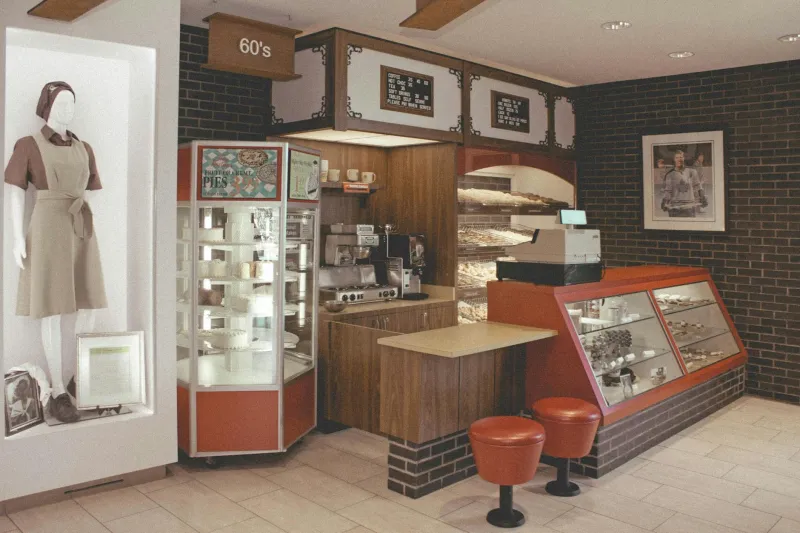
Walk into Rexall Pharmacy on Elm Street in 1975, and Harold Peterson would look up from his mortar and pestle with a knowing smile. "How's your mother's arthritis, Jimmy? That new prescription helping her sleep better?" He'd ask these questions not because he was nosy, but because he genuinely cared—and because he remembered every detail about every family in the neighborhood.
Harold wasn't just filling prescriptions. He was part doctor, part counselor, part credit manager, and part family friend. When Mrs. Johnson couldn't afford her heart medication until her Social Security check arrived, Harold would hand over the pills with a simple "Pay me next week." When teenage Sarah came in looking embarrassed about a skin condition, he'd quietly explain the medication and slip in some gentle advice about diet and stress.
This wasn't unusual. This was American pharmacy for most of the 20th century.
When Pharmacy Was Personal
The neighborhood pharmacist occupied a unique position in American communities. Unlike doctors, who you visited when sick, pharmacists saw you regularly. They tracked your health over years, watching patterns emerge and problems develop. They knew which medications made you drowsy, which ones upset your stomach, and which combinations to avoid.
More importantly, they knew your story. Harold Peterson understood that Mr. Williams' diabetes medication compliance improved dramatically after his grandson moved in to help. He recognized that Mrs. Chen's anxiety prescriptions always increased around the anniversary of her husband's death. This wasn't information stored in a computer system—it lived in Harold's memory, built through thousands of daily interactions.
Pharmacists also served as informal medical advisors. Before urgent care clinics and WebMD, people brought their health questions to the pharmacy. "Should I be worried about this rash?" "Is it normal to feel dizzy with this new blood pressure medication?" "What can I give my baby for this cough?" The pharmacist's recommendation carried weight because it came from someone who knew your medical history and your family's tendencies.
The Economics of Trust
The old pharmacy model worked because of economics that no longer exist. Independent pharmacists owned their stores, lived in the communities they served, and built businesses on long-term relationships rather than transaction volume. They could afford to spend ten minutes explaining medication side effects because that investment paid dividends in customer loyalty.
Credit was common and informal. Pharmacists extended payment plans based on handshakes and personal knowledge of families' financial situations. During economic downturns, many pharmacists carried significant accounts receivable, essentially functioning as healthcare lenders for their communities.
This system thrived when prescription volumes were lower, profit margins higher, and competition limited. A typical neighborhood might support two or three independent pharmacies, each serving distinct customer bases built over decades.
Enter the Corporate Machine
Today's pharmacy experience feels like visiting a vending machine operated by humans. You approach a counter staffed by rotating employees who've never seen you before. They scan your insurance card, input your information into a computer system, and hand over medications dispensed by robotic equipment in the back.
The efficiency is remarkable. CVS, Walgreens, and other chains fill millions of prescriptions daily with minimal errors, manage complex insurance networks, and offer services like flu shots and basic health screenings. They've democratized pharmacy access, placing locations in every neighborhood and keeping extended hours.
But something fundamental was lost in the translation. The pharmacist—if you can find one among the technicians—might have a doctorate in pharmacy but knows nothing about you personally. They can recite drug interactions from memory but have no idea that your sleep medication stopped working after your divorce, or that your child refuses to take the bubble-gum-flavored antibiotic.
What the Computer Can't Remember
Modern pharmacy management systems store incredible amounts of data about your prescription history, insurance coverage, and potential drug interactions. They can flag dangerous combinations, track refill patterns, and generate reports for healthcare providers. In many ways, these systems know more about your medication profile than Harold Peterson ever could.
Yet they miss the human elements that made old-style pharmacy care so effective. Computers can't detect the subtle changes in how you walk that might indicate medication side effects. They don't notice when you seem confused about dosing instructions or appear worried about costs. They can't offer the reassurance that comes from talking to someone who's watched your family navigate health challenges for years.
The drive-through window perfectly symbolizes this transformation. What once required face-to-face conversation—discussing symptoms, asking questions, receiving advice—now happens through a speaker system designed for maximum efficiency and minimal human contact.
The Prescription for What We've Lost
The disappearance of the neighborhood pharmacist reflects broader changes in American healthcare and commerce. We've gained consistency, efficiency, and 24-hour access to medications. We've lost continuity, personal attention, and the comfort that comes from being known.
Some independent pharmacies still operate, and a few chain locations manage to maintain more personal service. But these are exceptions in a system optimized for volume and profit margins rather than relationships and community care.
The next time you pick up a prescription and the person behind the counter asks for your name, date of birth, and address—information they should know if they actually knew you—remember Harold Peterson. He represents a model of healthcare that prioritized knowing patients as people, not just as insurance card numbers in a computer system.
That personal touch didn't just make pharmacy more pleasant—it often made it more effective. Because sometimes, the best medicine comes with a pharmacist who remembers your name.