The Car That Became Part of the Family
Dad bought the 1978 Oldsmobile Cutlass Supreme in metallic blue when I was seven years old. By the time I turned sixteen, that car had transported our family through a decade of Little League games, family vacations, and Sunday drives to Grandma's house. The driver's seat had molded to Dad's shape, the radio was permanently tuned to his favorite AM station, and everyone in the family knew exactly which door handle stuck in winter.
When I got my license, Dad spent Saturday afternoons teaching me to drive in that same Cutlass. "Feel how she pulls to the left when you brake?" he'd say, hands steady on the passenger-side dashboard. "You've got to anticipate that." Learning to drive meant learning that car's personality—its quirks, its strengths, its little demands for patience and understanding.
That Oldsmobile stayed in our family for eighteen years. By the time Dad finally traded it in, the odometer showed 247,000 miles, and three different family members had learned to drive behind its wheel. It wasn't just transportation—it was a repository of memories, a reliable character in our family story.
When Cars Were Commitments, Not Subscriptions
For most of the 20th century, Americans approached car buying like marriage: you made a choice, committed to it, and worked through the inevitable rough patches. The average car owner in 1980 kept their vehicle for 8.4 years. Many families stretched that to a decade or more, especially if they'd found a model that suited their needs and budget.
This wasn't just about money, though economics certainly played a role. Cars were expensive relative to income, and financing options were limited compared to today's lease deals and extended payment plans. More importantly, the culture around car ownership emphasized longevity, maintenance, and building a relationship with your vehicle.
Families developed intimate knowledge of their cars. Dad knew exactly how to jiggle the key to start the engine on cold mornings. Mom understood that the air conditioning worked best when you hit the dashboard at just the right angle. Kids learned which seat had the broken spring and how to work the finicky window crank.
This familiarity bred affection. Cars earned nicknames—"Old Blue," "The Tank," "Betsy." They accumulated stories: the camping trip when the station wagon climbed mountains loaded with gear, the winter storm when the sedan's reliable heater kept everyone warm, the teenage adventures that unfolded in the backseat.
The Maintenance Ritual
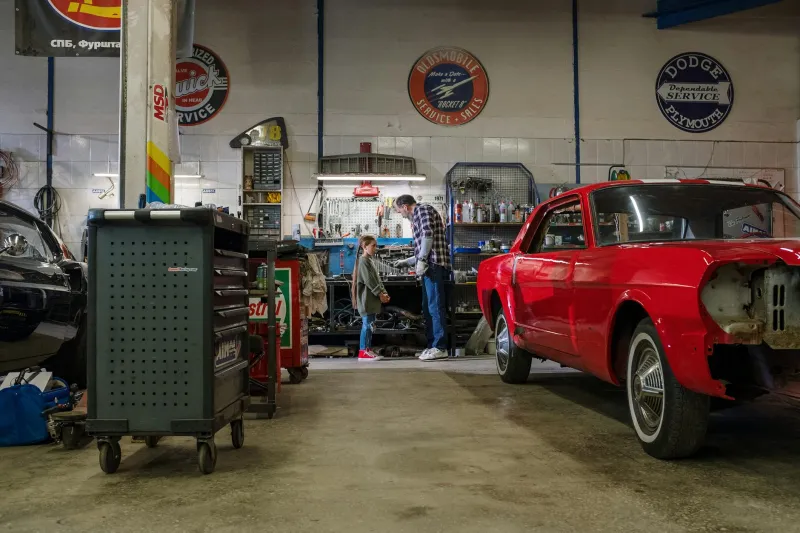
Owning a car for a decade meant mastering its care and feeding. Saturday mornings often found Dad in the driveway, hood raised, checking oil levels and belt tension. He knew when the brake pads needed replacement by the sound they made, when the transmission fluid was getting thin by how the gears shifted.
This hands-on relationship extended beyond mechanical knowledge. Car owners developed emotional attachments through the process of nurturing their vehicles through problems and milestones. The satisfaction of nursing a temperamental starter through another winter, the pride in keeping an aging engine running smoothly, the relief when a major repair added another 50,000 miles to the odometer.
Many Americans became amateur mechanics by necessity. They learned to change oil, replace spark plugs, and diagnose strange noises. Auto parts stores were community gathering places where neighbors shared advice about carburetor adjustments and brake repairs. This knowledge created deeper connections between people and their machines.
The Modern Relationship Status: It's Complicated
Today's average car ownership period has shrunk to 6.5 years, and that number continues declining as leasing becomes more popular. Many Americans now treat vehicles like smartphones—upgrade every few years to get the latest features, trade in before major maintenance becomes necessary, never quite settling into a long-term relationship.
The modern car buying experience encourages this disposable mentality. Dealers push lease agreements that make switching vehicles every three years seem financially logical. Manufacturers load new models with technology that makes last year's version feel obsolete. Extended warranties reduce the financial risk of keeping a car past its prime, but also eliminate the incentive to learn its mechanical personality.
This shift reflects broader changes in American consumer culture. We've embraced convenience over commitment, features over familiarity, and upgrading over understanding. The result is transportation that's more reliable and sophisticated than ever before, but somehow less personal.
What We Lost in the Translation
Modern vehicles are engineering marvels compared to their predecessors. They start reliably in any weather, require minimal maintenance, and offer safety features that save thousands of lives annually. Today's "unreliable" car would seem miraculous to someone accustomed to 1970s automotive standards.
Yet something intangible disappeared when cars became appliances rather than companions. The process of learning a vehicle's character, working through its problems, and building memories around its presence created a different kind of ownership experience. It taught patience, mechanical curiosity, and the satisfaction of maintaining something over time.
The old model also created shared family experiences that don't exist in lease culture. Kids grew up understanding that cars required care, that ownership meant responsibility, and that some things were worth keeping even when newer options became available. These lessons extended beyond automotive maintenance into broader attitudes about commitment, stewardship, and the value of building long-term relationships with possessions.
The Subscription Economy Meets the Driveway
Today's car culture mirrors our approach to everything from phones to streaming services—always upgrading, never quite settling, constantly chasing the next improvement. We've gained access to better technology, safer vehicles, and more flexible financing. We've lost the deep satisfaction that comes from truly knowing something well, caring for it over time, and building memories around its reliable presence.
The next time you see an older car still on the road—maybe a well-maintained sedan from the 1990s or a pickup truck with obvious decades of faithful service—remember that it represents more than just transportation. It's a reminder of when Americans built relationships with their possessions, learned to work through problems rather than trade them away, and understood that some of life's best experiences come from committing to something for the long haul.
That old Cutlass taught our family more than just how to drive. It taught us how to care for something over time, how to appreciate reliability over novelty, and how memories accumulate in the places where we spend our daily lives. Those lessons are harder to learn when your car is just a three-year subscription to the latest features.