The $500 Wedding That Lasted 50 Years: How Marriage Became a Production Instead of a Promise
When Love Came With a Potluck Reception
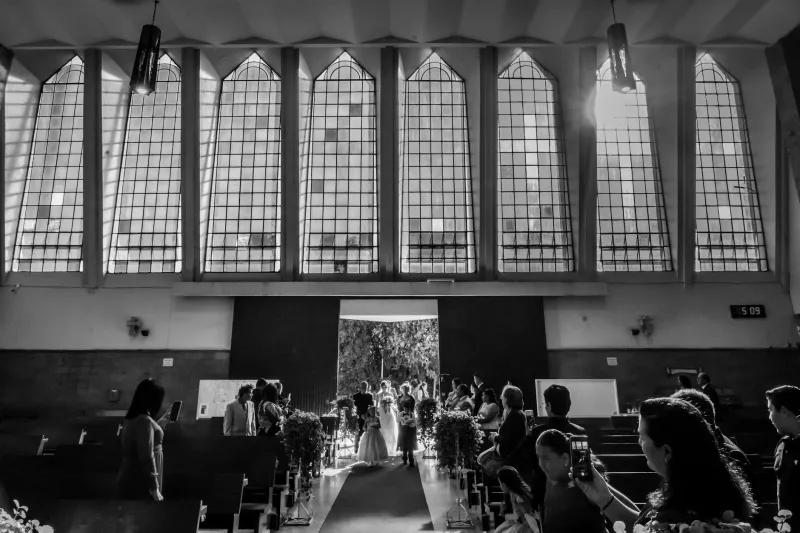
Barbara and Jim Thompson were married on a Saturday afternoon in June 1967 at St. Mary's Lutheran Church in Akron, Ohio. The ceremony cost $75. The reception—held in the church basement with sandwiches made by the ladies' auxiliary and a three-tier cake from the local bakery—ran another $120. Barbara's dress, purchased off the rack at JCPenney, was $35.
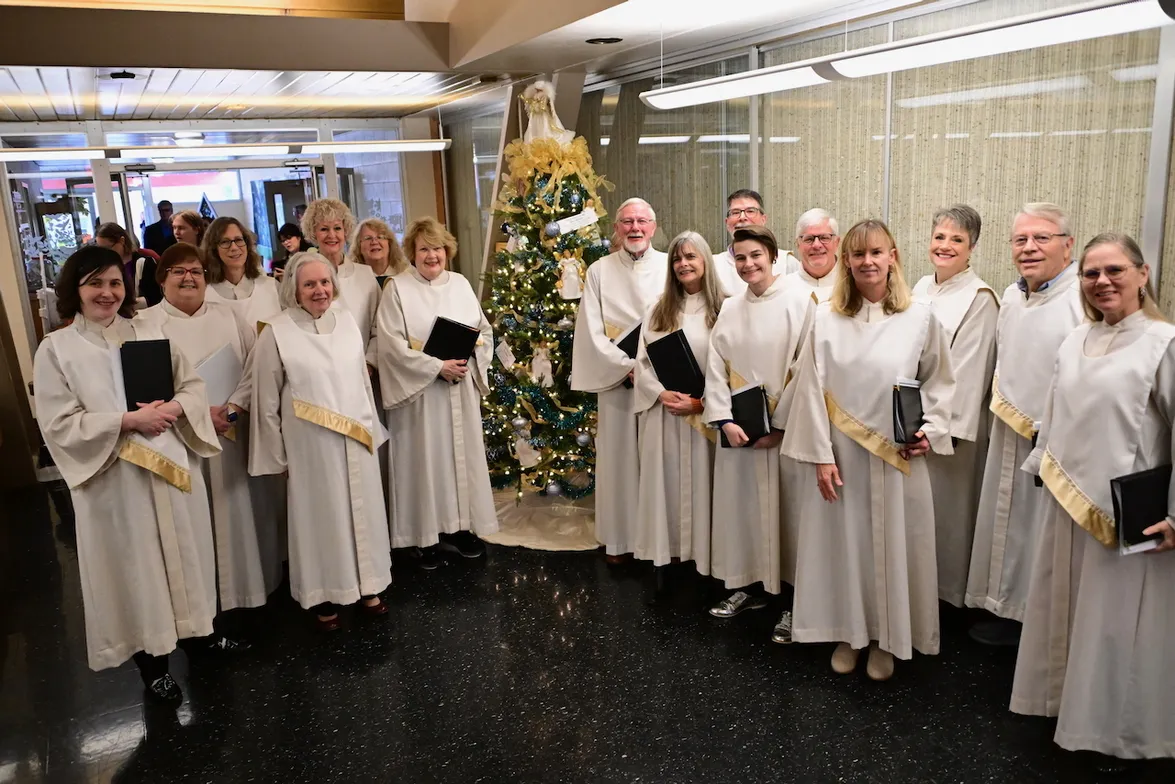 Photo: St. Mary's Lutheran Church, via dq5pwpg1q8ru0.cloudfront.net
Total wedding budget: $230.
Last month, their granddaughter Emma spent more than that on her engagement party invitations.
The Economics of Forever
In 1965, the average American wedding cost roughly $500—about $4,600 in today's money. The celebration typically lasted three hours, involved immediate family and close friends, and focused on one simple goal: officially beginning a marriage.
Today, the average wedding costs $35,000 and takes eighteen months to plan. The celebration often spans an entire weekend, involves professional photographers, videographers, wedding planners, and specialized vendors for everything from linens to lighting. The goal has expanded far beyond beginning a marriage—it's about creating an experience, a brand, a social media moment that will be shared, liked, and remembered.
The wedding, in other words, has become more important than the marriage.
The Bridal Industrial Complex Takes Shape
The transformation didn't happen overnight. In the 1950s and early 1960s, most weddings were community affairs organized by families and church groups. Mothers and aunts handled the flowers. Local photographers took a few formal portraits. The bride's dress was often handmade or purchased with the understanding that it might be worn again.
Then came the magazines.
Brides Magazine, founded in 1934, had remained a modest publication for decades. But in the 1960s, it began featuring elaborate ceremonies with professional styling, exotic locations, and designer gowns. Other publications followed: Modern Bride, Bridal Guide, Martha Stewart Weddings. Each issue showcased weddings that looked less like family celebrations and more like magazine photo shoots.
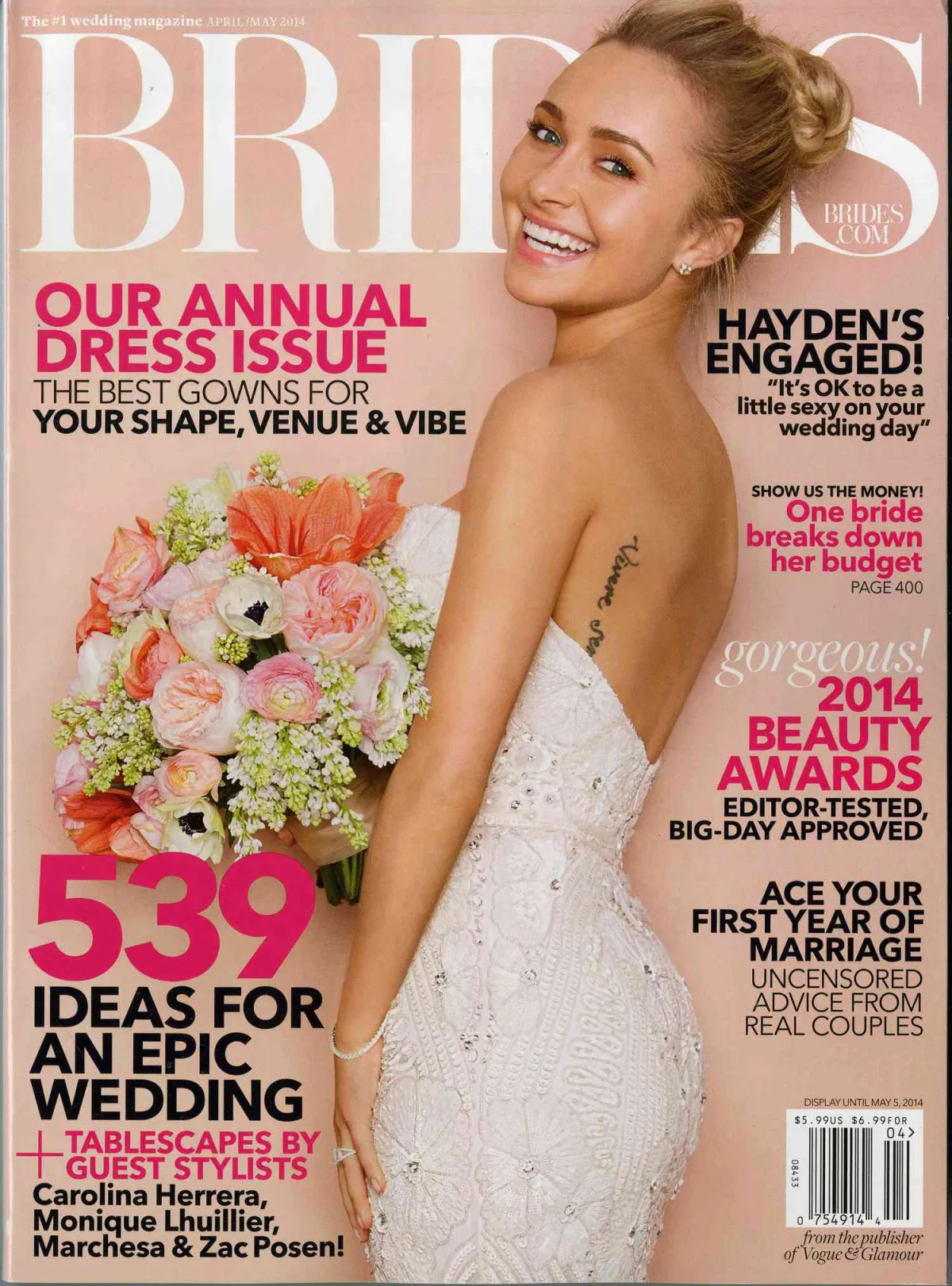 Photo: Brides Magazine, via www.brides.com
Suddenly, the wedding in the church basement looked... insufficient.
The Princess Fantasy Goes Mainstream
The turning point came in 1981 with Princess Diana's wedding to Prince Charles. Watched by 750 million people worldwide, the ceremony featured a 25-foot train, a horse-drawn carriage, and enough pageantry to make Hollywood jealous. American brides, watching from their living rooms, began to wonder why their own weddings couldn't be equally magical.
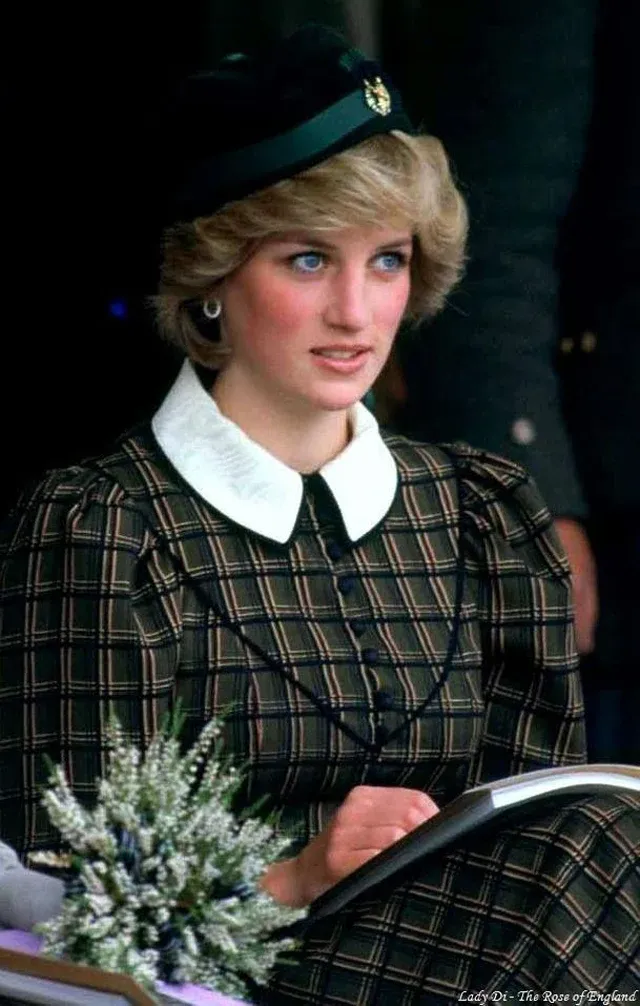 Photo: Princess Diana, via blogger.googleusercontent.com
The wedding industry was happy to oblige.
Venues that had never hosted weddings suddenly discovered the profit potential of Saturday afternoon ceremonies. Florists developed elaborate centerpiece concepts that required advance ordering and significant deposits. Photographers began offering "packages" that included engagement sessions, bridal portraits, and albums that rivaled coffee table books.
What had once been a simple celebration became a complex production requiring professional management.
The Social Media Amplifier
If bridal magazines planted the seeds of wedding inflation, social media provided the fertilizer. Instagram transformed every wedding into a potential viral moment. Pinterest created endless inspiration boards that turned planning into a competitive sport. Facebook made every ceremony a public performance with an audience that extended far beyond the guest list.
Suddenly, weddings weren't just about the couple getting married—they were about proving something to everyone else. The pressure to create a "Pinterest-perfect" day drove costs even higher as couples competed to produce increasingly elaborate celebrations.
The wedding hashtag became as important as the wedding vows.
What $35,000 Actually Buys
Today's wedding budget breaks down like a small business investment: $15,000 for venue and catering, $3,000 for photography, $2,500 for flowers, $1,500 for music, $1,200 for the dress, and thousands more for details that didn't exist in previous generations—lighting designers, specialty linens, welcome bags, signature cocktails, and day-of coordinators to manage the complexity.
The modern wedding has become so elaborate that it requires its own staff.
Meanwhile, the divorce rate has remained essentially unchanged since the 1970s, suggesting that spending more on the wedding doesn't necessarily improve the marriage.
The Lost Art of Simple Celebration
What disappeared in the upgrade from $500 to $35,000 wasn't just affordability—it was focus. Barbara Thompson's 1967 wedding centered on the exchange of vows, the blessing of the community, and the beginning of a shared life. The celebration was secondary to the commitment.
Today's weddings often reverse that priority. Couples spend months perfecting seating charts, selecting linens, and coordinating color schemes while spending comparatively little time discussing finances, career goals, or how they'll handle the inevitable challenges of marriage.
We've become experts at planning weddings and amateurs at planning marriages.
The Pressure of Perfection
The modern wedding industry sells perfection, and perfection comes with a price—not just financial, but emotional. Couples report feeling overwhelmed by choices, stressed by logistics, and disappointed when reality doesn't match their Pinterest boards.
The celebration that was supposed to be joyful has become a source of anxiety. The day that was supposed to mark the beginning of a partnership often ends with exhausted couples who are relieved it's over rather than excited about what comes next.
The Return to Simplicity
Interestingly, some couples are beginning to rebel against wedding inflation. The "micro-wedding" trend—ceremonies with fewer than 50 guests—has gained popularity, particularly among couples who want to spend their money on a house down payment rather than a single day's party.
These smaller celebrations often feel more like Barbara Thompson's 1967 wedding: intimate, personal, and focused on the people who matter most rather than the Instagram audience who will double-tap and scroll on.
What We Traded Away
The evolution from $500 to $35,000 weddings reflects a broader cultural shift from valuing substance to valuing spectacle. We've transformed a sacred ritual into a lifestyle brand, a community celebration into a performance, a beginning into an ending.
Barbara and Jim Thompson are still married 56 years later. Their wedding photos are faded, their cake was eaten decades ago, and nobody remembers what flowers were on the tables. But they remember the promises they made and the life they built together.
Maybe that's the point we lost somewhere between the church basement and the destination resort: the wedding is just one day, but the marriage is supposed to last forever.