Your Grandmother's Secret Recipe Died With Her Phone Number
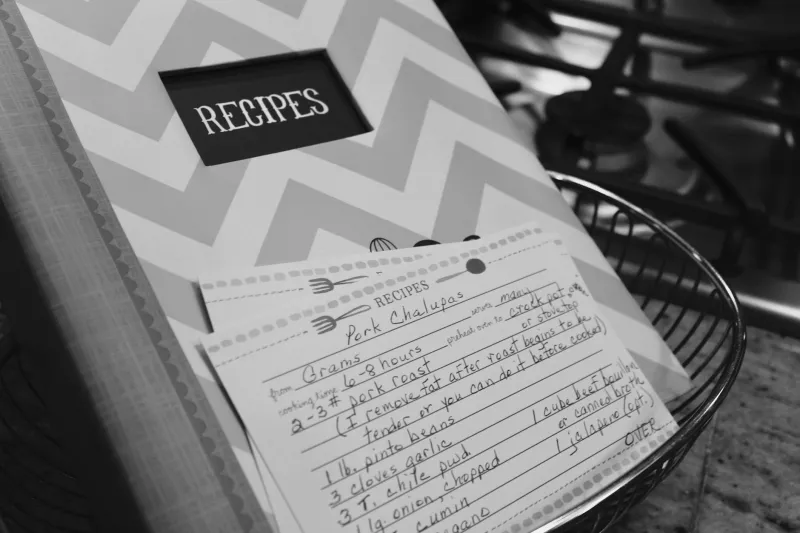
The Recipe Box That Held a Family's History
In kitchen drawers across America, small metal boxes held treasures more valuable than jewelry. Recipe cards, written in careful cursive, stained with decades of cooking adventures, contained the closely guarded secrets of family cuisine. Each card told a story—not just of ingredients and measurements, but of Sunday dinners, holiday traditions, and the careful passing of knowledge from one generation to the next.
These weren't just cooking instructions. They were family heirlooms, as personal and irreplaceable as photographs. When Grandma's chocolate cake recipe was written on a single index card in her distinctive handwriting, that card was the only copy that existed anywhere in the world.
When Recipes Were Classified Information
Families guarded their best recipes like state secrets. The woman who made the most requested potato salad at church potlucks might share the basic concept but never the exact proportions. Restaurant owners protected their signature dishes with the intensity of patent lawyers, passing secret ingredients only to trusted family members.
This scarcity created real value. A truly exceptional recipe was social currency. The neighbor who could make perfect pie crust held genuine power in the community. When someone finally agreed to share their closely guarded formula, it was a gesture of deep trust and friendship.
Cookbooks existed, but they contained basic, standardized recipes. The really good stuff—the dishes that made people beg for the recipe—lived in personal collections, passed down through families like precious heirlooms.
The Telephone Tree of Culinary Wisdom
Before the internet, recipe sharing happened through networks of trust. A new bride might call her mother-in-law for the family's famous stuffing recipe, carefully writing down measurements while balancing the phone between her shoulder and ear. Friends exchanged favorite dishes at bridge clubs and church socials, copying recipes by hand onto their own index cards.
These conversations were cooking lessons disguised as social calls. "Now, when you add the vanilla, make sure the mixture isn't too hot, or it'll curdle." "The secret is letting the dough rest for exactly twenty minutes—not more, not less." The real knowledge wasn't in the ingredient list but in the verbal footnotes, the little tricks that only came from years of experience.
The Handwriting That Made It Personal
Every recipe card was unique, written in the cook's distinctive handwriting, often annotated with personal notes and modifications. "Add extra cinnamon—Dad likes it sweet." "Double the recipe for church dinners." "Don't overbake—15 minutes is perfect."
These handwritten cards became artifacts of family history. Children could recognize their grandmother's recipes not just by the ingredients but by her careful script, the way she abbreviated measurements, the little hearts she drew next to her favorite dishes. The physical card connected the cook to generations of family meals and memories.
When a family matriarch died, her recipe collection was often divided among daughters and daughters-in-law like precious inheritance. Each person got copies of certain cards, but the originals—with their authentic stains and personal notes—held special significance.
The Kitchen Conversations That Taught More Than Technique
The best culinary education happened not in cooking schools but in family kitchens, where experienced cooks shared knowledge through demonstration and conversation. A grandmother teaching her granddaughter to make bread didn't just explain the recipe—she showed how the dough should feel, what properly kneaded texture looked like, how to tell when the oven was exactly the right temperature.
This knowledge couldn't be written down effectively. It lived in muscle memory, in the ability to judge doneness by smell, in understanding how humidity affected baking times. The real secrets weren't ingredients but techniques, passed down through hands-on experience that took years to master.
The Recipe Exchange That Built Communities
Churches, social clubs, and community organizations published cookbook fundraisers featuring members' favorite recipes. These weren't professional publications but collections of local culinary wisdom, featuring dishes like "Mary Johnson's Famous Cornbread" and "The Peterson Family's Holiday Fudge."
These community cookbooks created a form of local celebrity. Being asked to contribute your signature dish was an honor. Having people request your recipe at every potluck was a source of genuine pride. The best cooks in town were known by their specialties, their recipes becoming part of local folklore.
When Cooking Shows Were Appointment Television
Julia Child, Graham Kerr, and other early cooking show hosts were treated like professors of a mysterious art. Americans scheduled their lives around cooking shows, taking notes while watching demonstrations of techniques they'd never seen before. These programs introduced exotic ingredients and foreign cooking methods to audiences hungry for culinary knowledge.
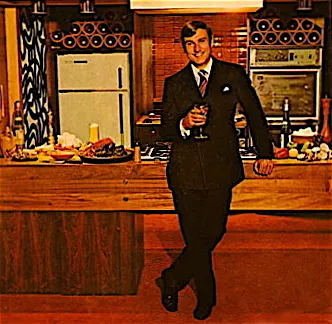 Photo: Graham Kerr, via www.beeretseq.com
Cookbooks by famous chefs were expensive investments, purchased for special occasions and treated with reverence. Owning "Mastering the Art of French Cooking" was like having a college textbook—a serious commitment to learning a complex skill.
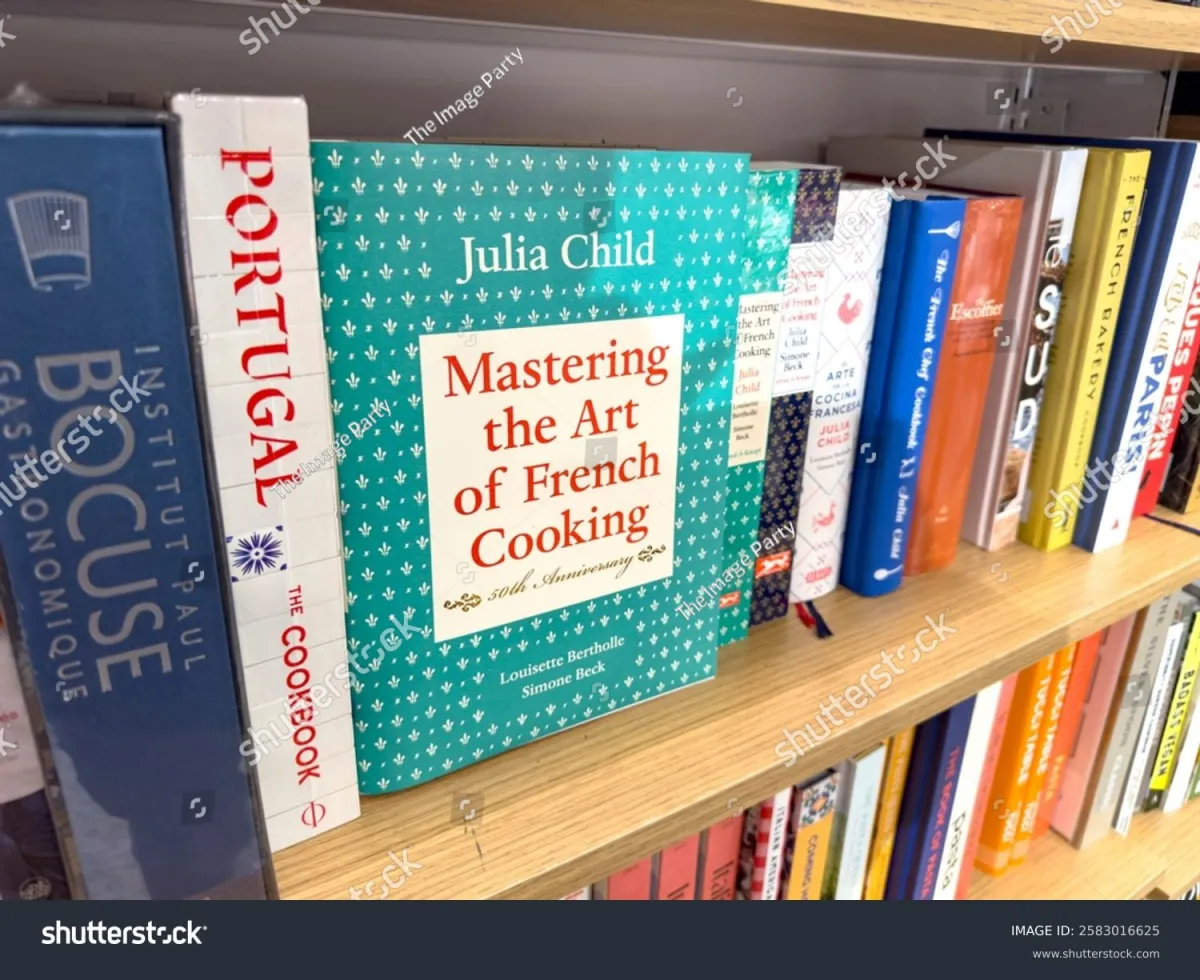 Photo: Mastering the Art of French Cooking, via www.shutterstock.com
The Internet Explosion That Changed Everything
The digital revolution didn't just make recipes more available—it made them infinite. Today, searching for "chocolate chip cookies" returns millions of results, complete with photos, videos, nutritional information, and reader reviews. Food blogs offer step-by-step photos of every technique. YouTube provides visual demonstrations of skills that once required years of apprenticeship.
But this abundance created a different problem. When every recipe is available instantly, none feel precious. The personal connection between cook and recipe—the story behind the dish, the family history embedded in its preparation—gets lost in the algorithmic shuffle of search results.
What We Lost When Recipes Became Searchable
Modern recipe websites optimize for search engines, not for personal connection. They're filled with lengthy backstories designed to boost SEO rankings, but these artificial narratives lack the authentic family history that once made recipes meaningful. The algorithm-driven world of food blogging has created more content but less genuine culinary wisdom.
The handwritten recipe card with its personal annotations and family history has been replaced by digital bookmarks that disappear when websites shut down. The intimate knowledge passed down through generations of family cooks has been democratized but also depersonalized.
Today's home cooks have access to more recipes than any generation in history, but they've lost the sense that any single recipe is irreplaceable. When everything is available, nothing feels precious. The scarcity that once made family recipes valuable has been replaced by an abundance that makes them disposable.
The Drift from Precious to Plentiful
The transformation happened gradually, one Google search at a time. As the internet made cooking knowledge universally available, the special status of family recipes began to fade. Why guard a secret when a thousand variations are available online? Why carefully preserve handwritten cards when digital copies never stain or fade?
We gained access to the world's culinary knowledge but lost the intimate connection between food and family history. Today's cooks can make dishes from any culture, follow techniques from professional chefs, and access nutritional information that previous generations never had. But they'll never experience the thrill of finally convincing Aunt Ruth to share her famous pie recipe, or the responsibility of being the keeper of a family's culinary traditions.
The recipe box still exists in some kitchens, but it's become more museum than resource. The real cooking happens with smartphones propped against spice racks, following instructions from strangers who've never met the families they're feeding. The personal has become digital, the precious has become plentiful, and the secrets that once held families together have drifted into the infinite scroll of search results.