Drift of Things How the world changed while you weren't looking

Drift of Things

How the world changed while you weren't looking

Latest Articles

When Kids Did Homework Alone and Parents Stayed Out of It
Culture

When Kids Did Homework Alone and Parents Stayed Out of It

For generations, American children disappeared into their bedrooms after dinner to tackle homework in solitude. Today, parents navigate digital portals, decode Common Core math, and manage their child's academic life like a personal assistant.
The Milkman Knew Your Family Better Than Amazon Ever Will
Culture

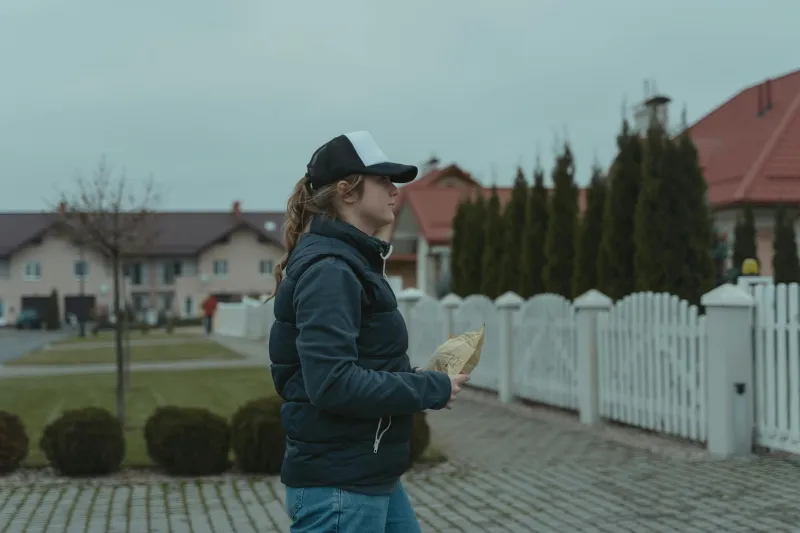
The Milkman Knew Your Family Better Than Amazon Ever Will

Before America shopped, America was served. An entire economy of delivery routes brought everything from fresh bread to blocks of ice directly to kitchen doors, creating relationships that lasted decades.

The $500 Wedding That Lasted 50 Years: How Marriage Became a Production Instead of a Promise
Culture

The $500 Wedding That Lasted 50 Years: How Marriage Became a Production Instead of a Promise

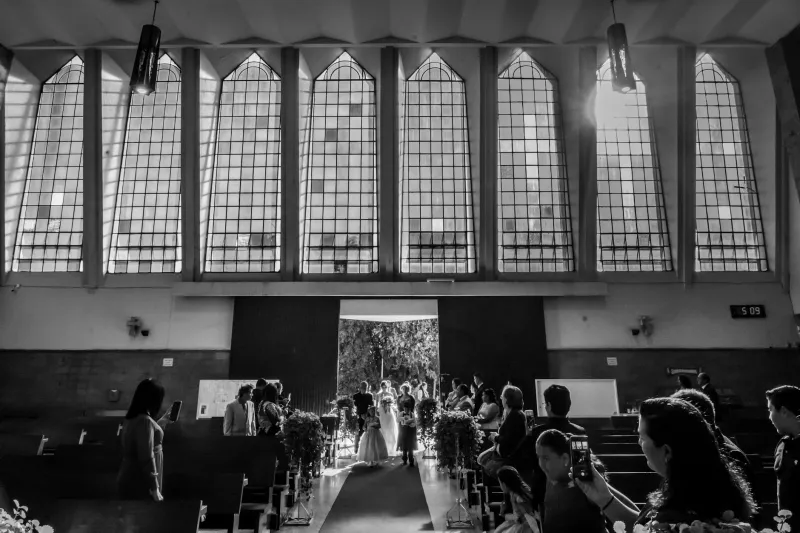
In 1965, the average American wedding cost $500 and focused on the marriage. Today, it costs $35,000 and focuses on the party. Something got lost in the upgrade.

America's Lost Living Room: How We Traded Our Front Steps for Garage Doors
Culture

America's Lost Living Room: How We Traded Our Front Steps for Garage Doors

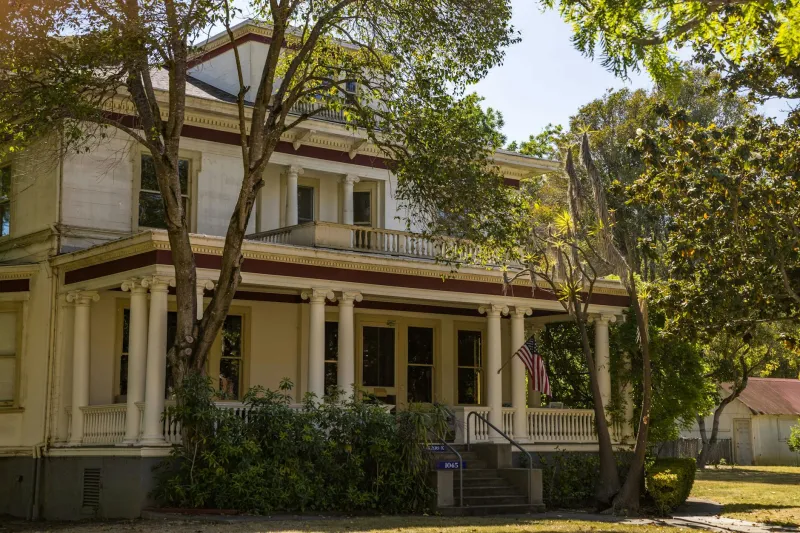
For most of American history, the front porch was where neighbors became friends and strangers became neighbors. Then we built walls around our backyards and wondered why nobody talks anymore.

The Last Five Minutes of Silence: How Smartphones Stole America's Thinking Time
Entertainment

The Last Five Minutes of Silence: How Smartphones Stole America's Thinking Time

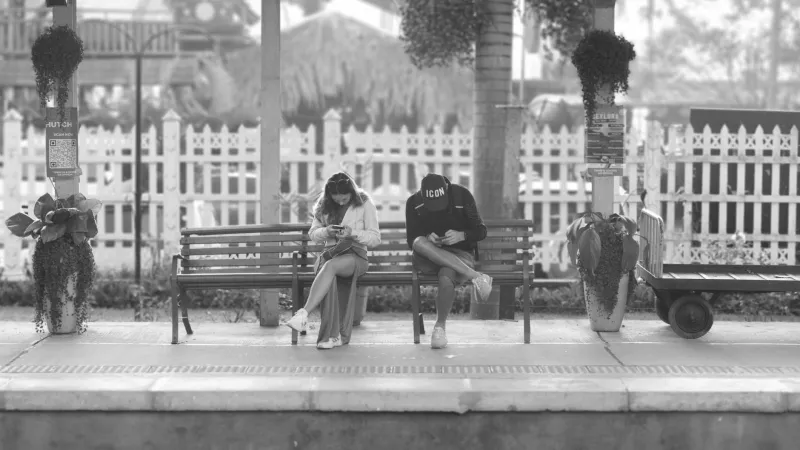
Americans once spent hours each week doing absolutely nothing—waiting in lines, sitting in lobbies, riding buses without distraction. Those moments of enforced boredom may have been more valuable than we realized.

The Bike Route That Built Character: When Seven-Year-Olds Ran Their Own Businesses
Culture

The Bike Route That Built Character: When Seven-Year-Olds Ran Their Own Businesses

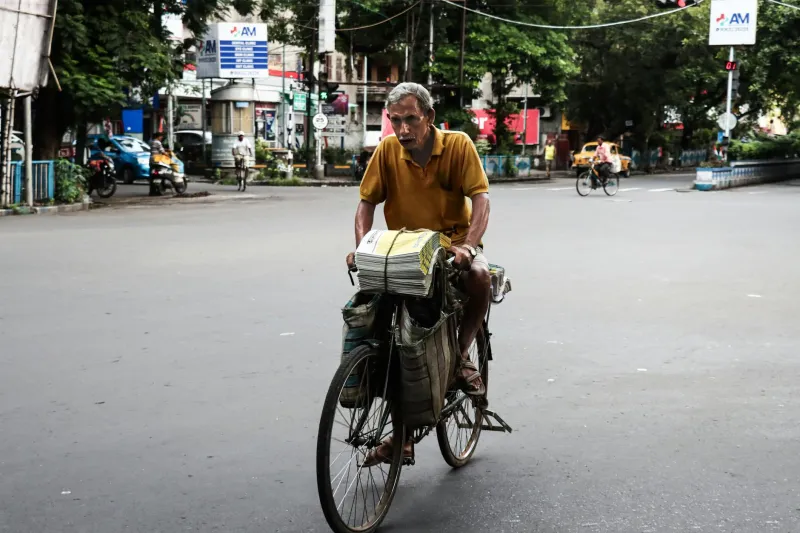
Before helicopter parents and liability lawyers, kids as young as seven managed their own paper routes, collected payments door-to-door, and learned hard lessons about money, responsibility, and disappointment. The childhood jobs that disappeared—and what went with them.

The Anchorman Who Said Goodnight and Meant It: When America's Day Had an Official Ending
Entertainment

The Anchorman Who Said Goodnight and Meant It: When America's Day Had an Official Ending

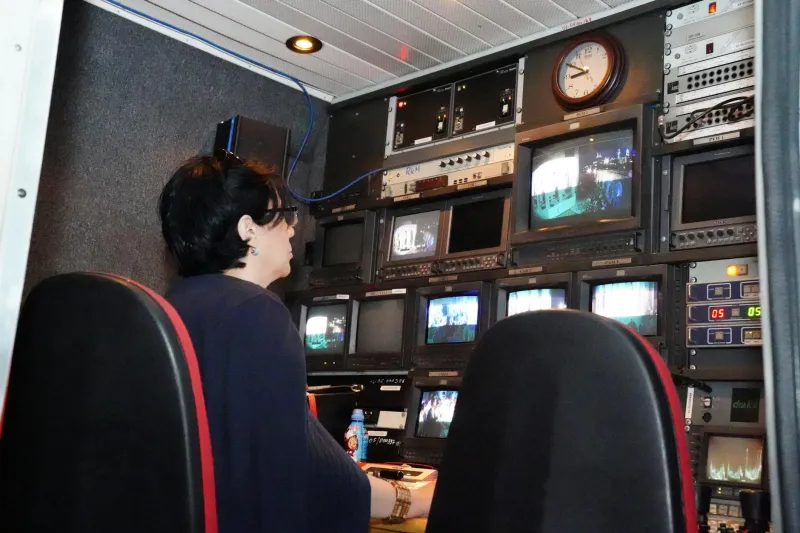
For forty years, Walter Cronkite's "And that's the way it is" marked the end of America's daily news consumption. No breaking news alerts, no endless scrolling, no 24-hour analysis—just a trusted voice saying it was time to stop learning and start living.

When Your Banker Watched Your Kids Play Little League: The Neighborhood Loan Officer Who Actually Knew You
Culture

When Your Banker Watched Your Kids Play Little League: The Neighborhood Loan Officer Who Actually Knew You

Before credit scores and automated approvals, getting a loan meant sitting across from someone who knew your character, your family, and whether you kept your lawn mowed. The personal touch that built American communities—and the algorithm that replaced it.

The Thank You Note That Arrived Six Weeks Late and Lasted Forever
Culture

The Thank You Note That Arrived Six Weeks Late and Lasted Forever

Wedding gifts once traveled through mail systems, department store clerks, and family networks before reaching newlyweds weeks after the honeymoon ended. The delay made each present feel more precious, and couples treasured these late-arriving tokens for decades in ways that instant digital gifting can't replicate.

Before Algorithms Knew Your Habits: When Small-Town Storekeepers Were the Original Data Scientists
Culture

Before Algorithms Knew Your Habits: When Small-Town Storekeepers Were the Original Data Scientists

The corner store owner didn't need customer analytics or purchase history dashboards—he remembered that your family bought extra milk before snowstorms and your mother preferred the brand-name crackers. Personal commerce was built on human memory, not machine learning, and somehow it worked better than anything we have today.

Three Months of Silence, Then Everything Changed: When Report Cards Actually Mattered
Culture

Three Months of Silence, Then Everything Changed: When Report Cards Actually Mattered

Before parent portals and grade tracking apps, American families lived in educational suspense for entire semesters. When that single folded paper finally arrived, it could reshape a child's summer, family dynamics, and future in ways today's constant monitoring never quite achieves.

Must-See TV: When America Scheduled Life Around a Little Yellow Book
Entertainment

Must-See TV: When America Scheduled Life Around a Little Yellow Book

TV Guide once sold 20 million copies weekly and determined what 200 million Americans watched each night. Before streaming, television was appointment viewing that brought families together and gave everyone something to talk about the next day.

The Doctor Who Actually Listened: When Medical Appointments Were Conversations, Not Checkboxes
Culture

The Doctor Who Actually Listened: When Medical Appointments Were Conversations, Not Checkboxes

Your family doctor once spent an hour learning about your life, your fears, and your family history. Today's seven-minute appointments have turned medicine into an assembly line where efficiency matters more than connection.

The Encyclopedia Expedition: When Finding Facts Was a Family Adventure
Culture

The Encyclopedia Expedition: When Finding Facts Was a Family Adventure

Before Google existed, a simple school report required strategic planning, multiple library trips, and the entire family's participation. Research was an expedition that taught patience, resourcefulness, and the value of hard-won knowledge.

When Your Pharmacist Was Your Family Doctor's Best Friend
Culture

When Your Pharmacist Was Your Family Doctor's Best Friend

The corner pharmacy used to be where Mr. Henderson knew your mother's blood pressure medication by heart and would call if you hadn't picked up your prescription in three days. Now it's a corporate maze where nobody knows your name, and the computer knows more about you than the person behind the counter.

The Dewey Decimal System Taught America How to Think. Google Taught Us How to Find.
Culture

The Dewey Decimal System Taught America How to Think. Google Taught Us How to Find.

Mastering the card catalog required genuine intellectual skills—cross-referencing topics, following trails of related subjects, and developing research intuition that took years to develop. Modern search engines deliver instant answers but bypass the cognitive development that made Americans better thinkers.

Your Dad's Buick Had 200,000 Miles and Three Generations of Memories
Culture

Your Dad's Buick Had 200,000 Miles and Three Generations of Memories

Americans once bought a car expecting to drive it for fifteen years, learn every squeak and rattle, and pass down driving lessons in the same vehicle where they learned themselves. Now we swap cars like smartphones, chasing the latest features while losing something deeper about ownership and attachment.

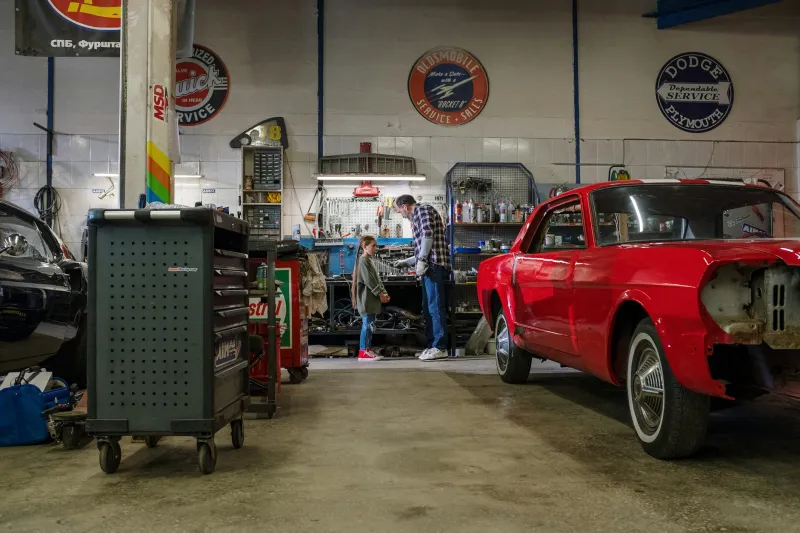
When Dad's Toolbox Was the Family's Tech Support: America's Lost Generation of Fix-It Men
Culture

When Dad's Toolbox Was the Family's Tech Support: America's Lost Generation of Fix-It Men

Three generations ago, American fathers were expected to repair washing machines, rebuild car engines, and wire electrical outlets — all before lunch. Today, most men struggle to change a lightbulb without YouTube. Here's how we quietly traded self-reliance for service calls.

When Your Word Was Your Bond: The Vanishing Era of Handshake Agreements
Culture

When Your Word Was Your Bond: The Vanishing Era of Handshake Agreements

For generations, American business ran on handshakes and verbal promises. Today, we can't buy a sandwich without signing a digital waiver. Here's the story of how trust became a liability.

When Americans Earned Their Christmas: The Patient Culture That Credit Cards Killed
Culture

When Americans Earned Their Christmas: The Patient Culture That Credit Cards Killed

For decades, layaway was how working families turned dreams into reality—one payment at a time. Then credit cards promised instant gratification, and we forgot what it felt like to truly earn something.