Before YouTube, There Was the Guy Who Actually Fixed Things for a Living
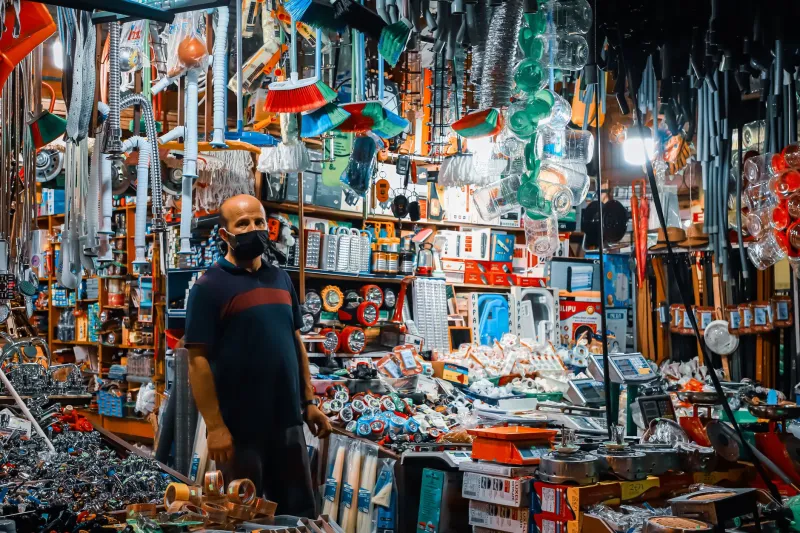
The Oracle Behind the Paint Counter
Walk into Sullivan's Hardware in 1985 with a leaky faucet and a confused expression, and Jim would diagnose your problem before you finished describing it. He'd seen that particular Delta model fail in exactly that way about a thousand times. More importantly, he'd fixed it himself in his own kitchen three years earlier.
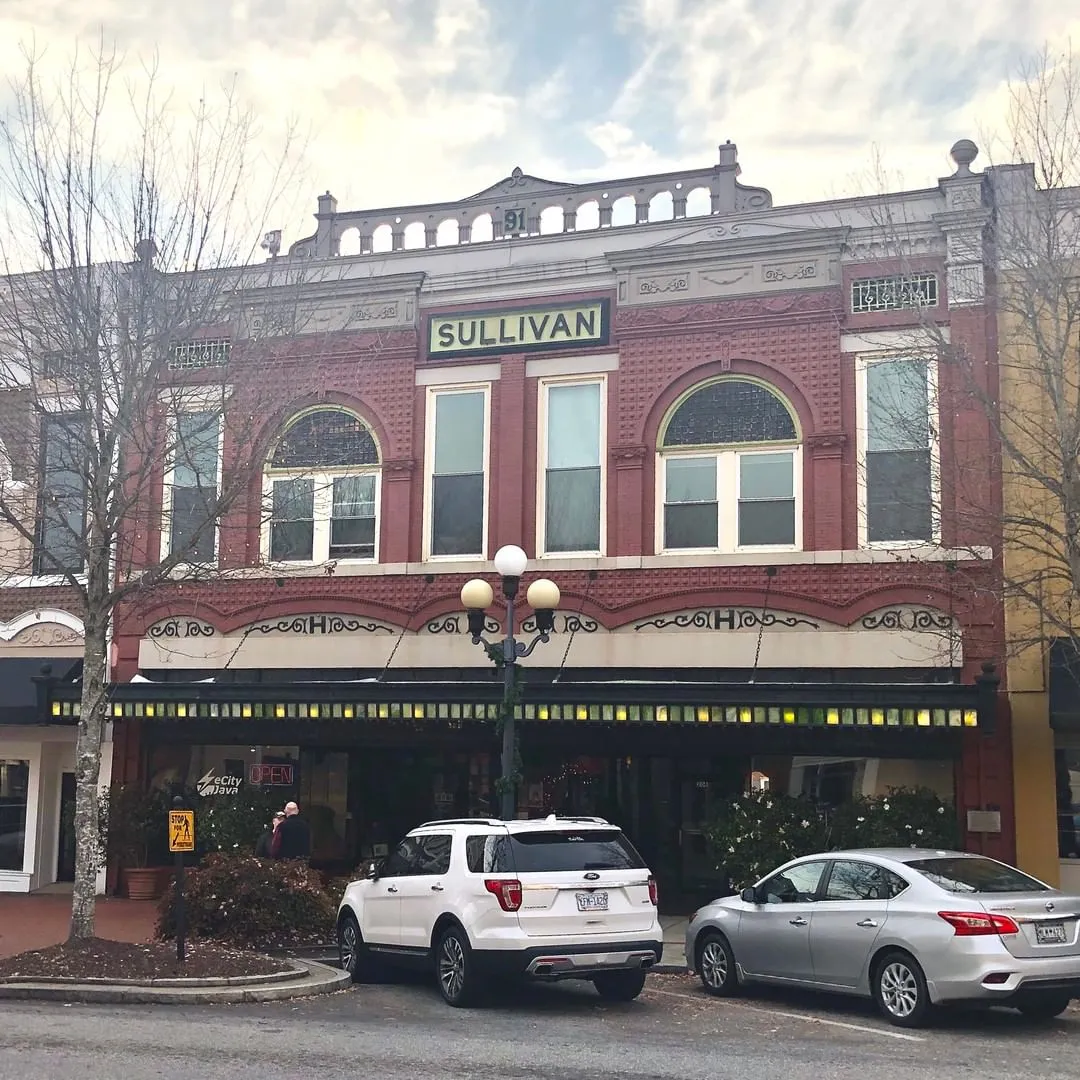 Photo: Sullivan's Hardware, via www.exploresc.org
Jim wasn't reading the same product manual you could have grabbed from the display. He was drawing from two decades of weekend projects, emergency repairs, and customer callbacks. His knowledge wasn't theoretical—it was scarred into his knuckles and filed away in his memory.
This was how Americans learned to fix things: by talking to people who had already broken and repaired everything you owned.
The University of Actual Experience
The hardware store employees of previous generations weren't just retail workers who happened to stock screws and sandpaper. They were practicing tradesmen who took day jobs selling the tools they used professionally. The guy mixing paint had been a house painter for fifteen years. The woman in plumbing had run her own repair business before her back gave out. The manager knew electrical work because he'd wired half the houses in the neighborhood.
Their expertise came with context that no manual could provide. They knew which brands actually lasted, which shortcuts caused problems down the road, and which jobs were worth attempting yourself versus calling a professional. They'd made every mistake you were about to make and could warn you about the consequences.
When you asked about hanging drywall, they didn't just sell you the materials. They explained why you needed to find the studs, what happened if you didn't, and how to fix the mess when you inevitably screwed it up anyway.
The Consultation That Came Free With Purchase
Every transaction included a mini-education. Buying a wrench meant learning about torque specifications. Purchasing lumber meant understanding grain direction and moisture content. Picking up electrical supplies meant getting a lecture about circuit breakers and ground fault interrupters.
This wasn't upselling—it was damage control. Hardware store employees had seen too many customers return with bigger problems caused by incomplete solutions. They'd rather spend ten minutes explaining proper technique than deal with an angry homeowner whose DIY project had flooded the basement.
The advice was specific to your situation. They'd ask about your house's age, your skill level, and your available tools before recommending an approach. A 1920s bungalow required different solutions than a 1980s ranch. A weekend warrior needed different advice than a semi-retired engineer with a full workshop.
When Algorithms Replaced Apprenticeships
Today's home improvement education happens through YouTube tutorials and online forums. The information is more comprehensive and available 24/7. You can watch slow-motion demonstrations, pause for detailed examination, and replay tricky sections until you understand.
But something crucial was lost in translation. Video tutorials show you how things should work, not how they actually behave in your specific situation. The algorithm that recommends your next video doesn't know about the quirks of your particular house or the tools gathering dust in your garage.
Modern big-box store employees are often as confused as their customers. They're reading the same product specifications you can find online. They haven't installed the flooring they're selling or used the power tools they're demonstrating. Their knowledge comes from training videos, not trial and error.
The Questions YouTube Can't Answer
The old hardware store experts excelled at the questions that didn't have standard answers. What do you do when the replacement part doesn't quite fit? How do you work around the previous owner's creative wiring job? What's the least expensive way to make a temporary fix that won't become a permanent disaster?
These weren't problems you could Google because they were specific to your house, your budget, and your skill level. They required the kind of practical wisdom that comes from solving similar problems dozens of times in different contexts.
The hardware store guy knew which rules you could bend and which ones would bite you. He understood the difference between "good enough" and "asking for trouble." Most importantly, he could look at your project and predict which parts would give you the most trouble.
The Economics of Expertise
The old model worked because expertise was a valuable commodity that hardware stores could afford to employ. Knowledgeable staff justified higher prices and built customer loyalty. People drove past cheaper options to shop where they could get reliable advice along with quality materials.
Modern retail operates on thinner margins and higher volumes. Employing experienced tradesmen to work retail counters doesn't make financial sense when customers can research products online and price-shop across multiple stores. The expertise that once differentiated local hardware stores became too expensive to maintain.
The internet democratized access to information but commoditized the retail experience. Why pay premium prices for expert advice when you can watch YouTube videos and order materials online?
What Experience Taught That Videos Can't
The difference between theoretical knowledge and practical wisdom becomes obvious when things go wrong. YouTube tutorials assume perfect conditions and standard situations. Real projects involve crooked walls, stripped screws, and parts that don't match the specifications.
The hardware store veterans had developed workarounds for all these common problems. They knew which adhesives actually stuck to your particular surface, which fasteners held up in your local climate, and which tools were worth the extra money for weekend warriors.
Their knowledge was cumulative and contextual. They'd seen how different solutions performed over time. They knew which quick fixes became permanent solutions and which professional-grade approaches weren't worth the extra complexity for simple home projects.
The Apprenticeship We Didn't Know We Were Getting
Every conversation with a knowledgeable hardware store employee was an informal apprenticeship. You weren't just learning to fix your immediate problem—you were absorbing principles that would help with future projects.
They taught you to think like a tradesman: always have a backup plan, understand why something broke before trying to fix it, and invest in quality tools for jobs you'll repeat. These lessons went beyond specific techniques to develop a mindset for approaching problems.
Modern tutorials teach procedures but rarely explain the thinking behind them. You learn the steps but not the principles that would help you adapt when conditions change.
The Wisdom That Walked Away
When the last old-timer retired from the neighborhood hardware store, decades of accumulated knowledge walked out the door with him. No database captured his understanding of local building practices, seasonal problems, and customer preferences. No algorithm learned from his ability to diagnose problems from incomplete descriptions.
We gained access to unlimited information but lost access to curated wisdom. We can now research any topic exhaustively but struggle to find answers to the specific questions that matter most: Will this work in my situation? Is it worth the extra cost? What am I not thinking about that will cause problems later?
The guy behind the counter wasn't just selling hardware. He was providing judgment, context, and hard-won experience. That's something no search engine has figured out how to replace.