The Corner Shop That Could Fix Anything: America's Lost Repair Culture
The Corner Shop That Could Fix Anything: America's Lost Repair Culture
In 1965, when your Zenith Space Command remote control stopped working, you didn't throw it away. You wrapped it in a dish towel, walked three blocks to Sal's Electronics on Main Street, and waited while he diagnosed the problem with tools that looked like they belonged in a surgeon's kit.
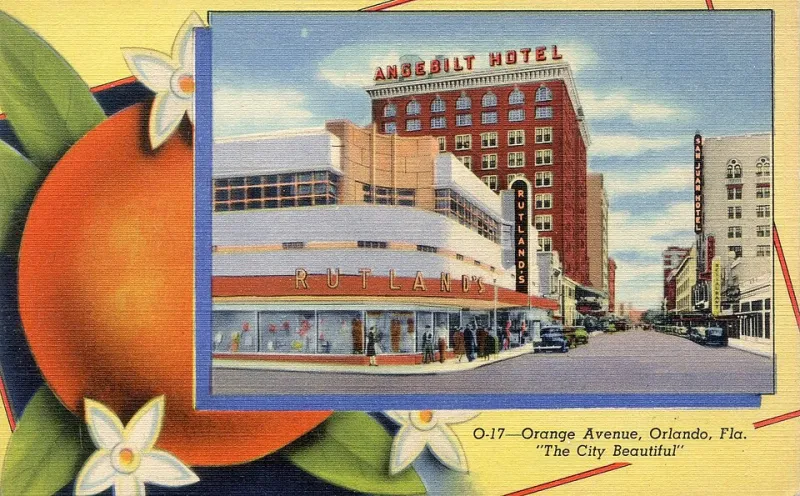
 Photo: Main Street, via cdn.shopify.com
 Photo: Zenith Space Command, via e7.pngegg.com
Sal knew the guts of every television manufactured since 1950. He could tell you whether your picture tube was dying or if you just needed new capacitors. More importantly, he could fix either problem for less than the cost of a nice dinner out.
That America — where broken things got fixed instead of replaced — has vanished so completely that describing it sounds like science fiction.
When Electronics Were Investments, Not Impulses
In the postwar era, a television set cost the equivalent of $4,000 in today's money. Families saved for months to buy one, then treated it like furniture — something that would last decades with proper care. When it broke, repair wasn't just economical; it was the only sensible option.
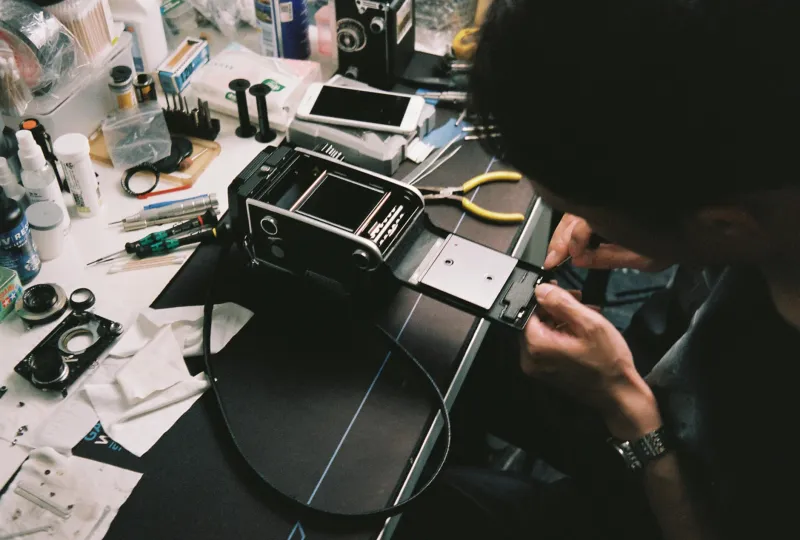
Every neighborhood had its electronics wizard, usually a guy who'd learned his trade in the military or through years of tinkering. His shop smelled like solder and cigarettes, with towers of television sets in various stages of disassembly lining the walls. Circuit boards hung from pegboards like abstract art.
These weren't just repair shops — they were temples to the idea that things could be made whole again.
The Diagnostic Dance
Repairing electronics in the analog age was part science, part art, and part intuition. A good repairman could diagnose problems by listening to the sounds a television made when it warmed up. He knew that a high-pitched whine meant trouble with the flyback transformer, while a dim picture suggested failing tubes.
Customers would describe symptoms like patients talking to doctors: "It makes a buzzing sound for about five minutes, then the picture rolls." The repairman would nod knowingly, already forming theories about what might be wrong.
Diagnosis took time because it required understanding. You couldn't just swap out modules or run software checks. Every component had to be tested individually, every connection verified by hand.
The Economics of Durability
The old repair economy worked because manufacturers designed products to be fixable. Television sets came with detailed schematic diagrams showing every component and connection. Replacement parts were standardized and available for years after production ended.
Repair shops operated on thin margins but steady business. A good repairman might service the same television three or four times over its fifteen-year lifespan, building relationships with customers who trusted his expertise.
The economics were simple: when products were expensive and built to last, repair made financial sense. When labor was cheap and parts were available, fixing things was faster than replacing them.
The Beginning of the End
By the 1980s, the foundation of repair culture was cracking. Electronics became cheaper to manufacture and more complex to fix. Circuit boards replaced individual components, making diagnosis harder and replacement parts scarce.
The final blow came with planned obsolescence and the rise of consumer electronics designed to be replaced rather than repaired. When a new television cost less than a repair visit, the economic logic of fixing things collapsed.
Sal's Electronics became Sal's Cellular, then closed entirely when the strip mall was demolished for a big box store.
The Hidden Costs of Disposability
The death of repair culture gave Americans something we desperately wanted: convenience. Broken electronics could be replaced immediately rather than waiting days for repair. New products came with better features and warranties that made fixing seem unnecessary.
But we lost something harder to quantify. The neighborhood repairman was a connection to how things worked, a reminder that the magic boxes in our living rooms were comprehensible and fixable by human hands.
More broadly, we lost the cultural expectation that things should be built to last and maintained over time. The throwaway mentality that started with electronics eventually spread to appliances, furniture, and even relationships.
The New Repair Reality
Today's electronics are simultaneously more reliable and less repairable than their ancestors. A modern television might last longer than a 1960s Zenith, but when it breaks, replacement is often the only option.
The few repair shops that survive specialize in vintage equipment or high-end audio gear — niche markets where craftsmanship still commands premium prices. For everything else, repair means shipping devices to distant service centers or buying extended warranties that often cost more than replacement.
We've gained reliability and lost repairability, achieved convenience at the cost of understanding.
What the Repair Shop Taught Us
The neighborhood electronics shop was more than a business — it was a classroom where Americans learned that complex things could be understood and fixed by ordinary people with the right knowledge and tools.
Children who watched Sal work on their family's television learned that technology wasn't magic, that problems had solutions, and that expertise was earned through years of patient practice. They saw that things worth having were worth maintaining.
The repair shop also taught economic lessons that seem quaint today: that quality cost more upfront but less over time, that relationships with skilled craftsmen were valuable, and that the cheapest option wasn't always the best value.
The Environmental Reckoning
As landfills fill with discarded electronics and rare earth minerals become scarce, the environmental cost of our throwaway culture is becoming impossible to ignore. The repair shop that seemed obsolete in 1990 looks prescient in 2024.
Some cities are experimenting with "right to repair" laws that require manufacturers to make parts and service information available. Community repair cafes are popping up where volunteers help fix everything from toasters to smartphones.
But these efforts face the same economic headwinds that killed Sal's Electronics: when labor is expensive and products are cheap, repair rarely makes financial sense.
The corner shop that could fix anything represented a different relationship with our possessions — one based on stewardship rather than consumption. That relationship died along with the repair shops, leaving us surrounded by conveniences we don't understand and can't fix when they break.