Where Your Boss Sat Next to Your Barber: The Democracy of the Five-and-Dime Lunch Counter
The Great Equalizer Had a Grill and Vinyl Stools
Walk into any CVS or Walgreens today, and you'll find rows of vitamins, greeting cards, and overpriced snacks. What you won't find is the beating heart of mid-century American community life: the lunch counter that once anchored nearly every drugstore from coast to coast.
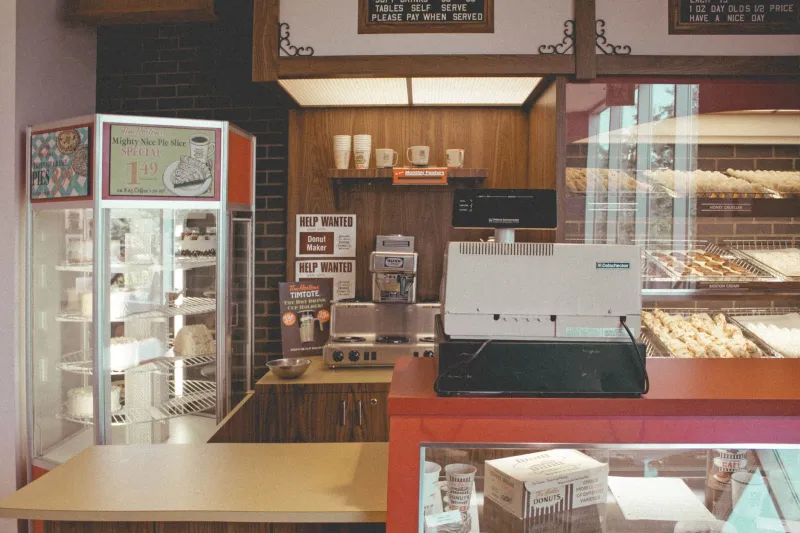
For roughly fifty years, from the 1920s through the 1970s, these humble establishments served as something remarkable — a daily gathering place where social hierarchies temporarily dissolved over grilled cheese sandwiches and cherry Cokes. The bank president sat on the same red vinyl stool as the factory worker. The high school quarterback shared counter space with the town librarian. Everyone got the same chipped coffee mug and the same no-nonsense service from Marge or Betty, who somehow remembered that Mr. Henderson took his coffee black and Mrs. Patterson always ordered her burger medium-well.
Democracy Served Daily
The lunch counter operated on principles that seem almost quaint today. First come, first served, regardless of your last name or your bank account. Conversation flowed freely between strangers because there was nowhere else to look — no phones to scroll, no televisions blaring, just the person next to you and the sizzle of the grill behind the counter.
This forced proximity created something modern America has largely lost: accidental community. The insurance salesman learned about the teacher's classroom struggles. The mechanic heard about the librarian's book recommendations. Local gossip traveled at the speed of a shared lunch break, creating networks of informal knowledge that held small towns together.
"You knew everyone's business, but in a good way," recalls Margaret Thompson, 78, who worked the lunch counter at Hartwell's Drug in Springfield, Illinois, for fifteen years. "People looked out for each other because they actually knew each other. That doesn't happen when everyone's eating in their cars."
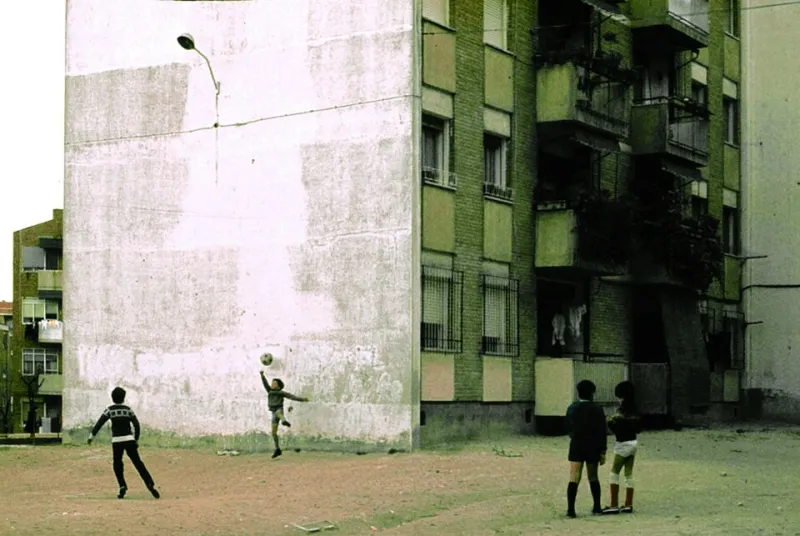
 Photo: Hartwell's Drug, via play-lh.googleusercontent.com
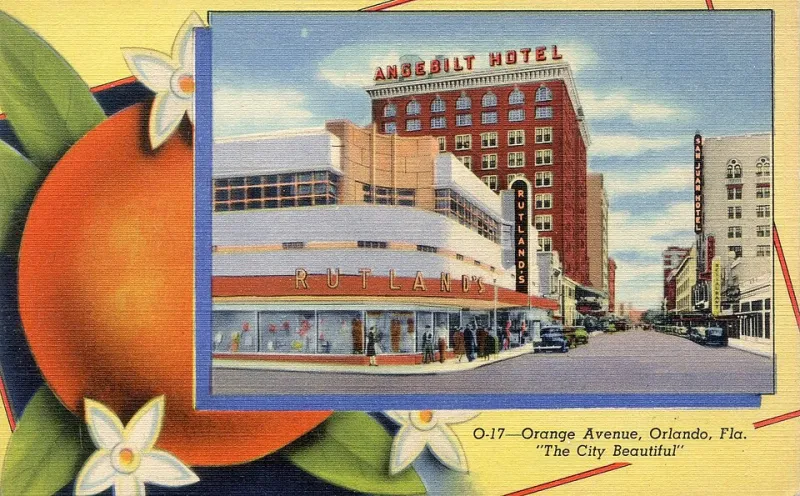
 Photo: Springfield, Illinois, via nudistvideoworld.com
The Economics of Equality
The lunch counter's democratic nature wasn't just philosophical — it was economic. A complete meal cost less than a dollar through most of the 1960s. The menu was simple: hamburgers, grilled cheese, tuna melts, pie, and coffee that could strip paint. This wasn't fine dining; it was fuel for working people who had thirty minutes to eat and get back to their jobs.
But that simplicity created accessibility. The town's wealthiest resident and its poorest could afford the same meal, sit in the same space, and participate in the same daily ritual. There was no VIP section, no premium seating, no loyalty program. Just a stool and a plate.
Where Deals Were Made and Hearts Were Broken
The lunch counter served as an unofficial community center where life's important business got conducted over everyday food. Real estate deals were sketched on napkins. Job recommendations passed between bites of apple pie. Teenagers nursed Cokes for hours, working up the courage to ask someone to the school dance.
"More marriages started at our lunch counter than at any church social," remembers Frank Kowalski, who owned Kowalski's Pharmacy in Detroit's Hamtramck neighborhood. "People had time to actually talk to each other. No rushing, no pressure. Just conversation and coffee refills."
The pace was everything. Unlike today's grab-and-go culture, the lunch counter encouraged lingering. Orders took time to prepare on the small grill. Coffee cups were refilled multiple times. The rhythm of the place demanded patience and, inevitably, human connection.
The Chain Reaction That Changed Everything
The decline of the drugstore lunch counter wasn't sudden — it was a slow strangulation by changing economics and eating habits. Fast food chains offered faster service and standardized quality. Shopping malls drew foot traffic away from downtown drugstores. Suburban sprawl made the neighborhood pharmacy a relic.
By the 1980s, most lunch counters had been replaced by racks of candy and magazines. The remaining few became nostalgic curiosities rather than vital community institutions. The last gasps came in the form of theme restaurants that tried to recreate the atmosphere but missed the essential ingredient: the organic community that had made these places special.
What We Lost When We Stopped Sitting Together
Today's dining landscape offers unprecedented convenience and choice. You can order Thai food to your door at midnight or grab a gourmet coffee from a dozen different chains. But something essential was lost in the transition from shared counters to individual consumption.
The modern equivalent might be the Starbucks where remote workers camp out with laptops, but even that falls short. The laptop creates a barrier. The earbuds signal unavailability. The atmosphere encourages productivity, not conversation.
The lunch counter's greatest achievement wasn't the food — though many swear by those simple recipes. It was creating a daily opportunity for Americans to practice being neighbors. In an era when community feels increasingly fragmented, when political divisions run deep, when many people don't know their actual neighbors' names, it's worth remembering a time when democracy was as simple as sharing a meal counter with whoever happened to need lunch at the same time you did.
The grilled cheese was just the excuse. The real nutrition came from the conversations, the connections, and the daily reminder that despite all our differences, we were fundamentally in this together — at least until the lunch rush ended and everyone went back to their separate lives.