When the Ice Cream Truck Was the Highlight of the Week: How Childhood Treats Became an Industry
The Sound That Stopped Everything
Every summer afternoon around 3:30, the tinkling melody would drift through suburban neighborhoods like a dinner bell for children. "Turkey in the Straw" or "The Entertainer" played through crackling speakers, and suddenly every kid within a six-block radius would drop whatever they were doing and start running. The ice cream truck was coming, and nothing else mattered.
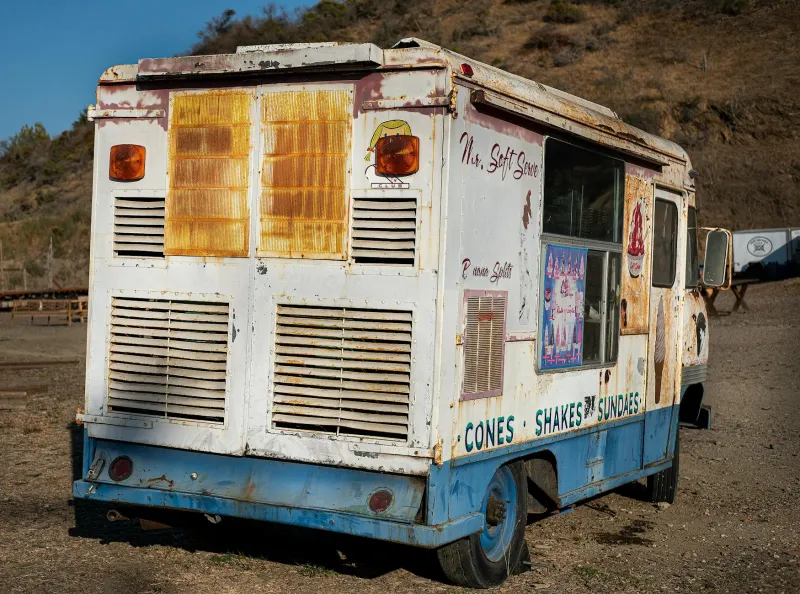
The truck itself was a marvel of simplicity: a converted van painted white with colorful cartoon characters on the sides, driven by the same person week after week. Mr. Rodriguez knew every kid's name and their usual order. The menu was painted on the side of the truck—maybe fifteen items total—and prices hadn't changed in three years. A Bomb Pop cost 50 cents. A Drumstick was 75 cents. The most expensive item was the strawberry shortcake bar at a dollar.
Children learned to recognize the truck's route and timing with the precision of air traffic controllers. Tuesday meant Maple Street at 3:15, Oak Avenue at 3:45, and the park at 4:30. Kids would position themselves strategically, clutching quarters warm from their sweaty palms, ready to flag down their weekly sugar delivery.
The Ritual of Limited Choices
The beauty of the ice cream truck lay in its constraints. You couldn't browse endless flavors or read ingredient lists. You had maybe thirty seconds to decide between a Fudgsicle and a Creamsicle while other kids lined up behind you. The pressure was real, but so was the satisfaction of making a choice and living with it.
The truck carried classic brands that had been around for decades: Good Humor, Popsicle, Klondike. These weren't artisanal treats or organic alternatives—they were mass-produced frozen desserts that tasted exactly the same whether you bought them in Maine or California. The consistency was part of the appeal. A Rocket Pop in 1982 was identical to a Rocket Pop in 1972.
Children developed sophisticated strategies around ice cream truck economics. Some saved their allowance all week for one premium purchase. Others bought cheaper items more frequently. The smart kids learned to pool their money with siblings to afford the expensive novelty items they'd seen in TV commercials but never tried.
When Dessert Required Planning
Missing the ice cream truck meant waiting until next week. There was no backup plan, no alternative delivery service, no freezer full of identical treats at home. If you were inside when the music played and your mom wouldn't let you run out in your pajamas, that was it. The disappointment was real, but it made the next successful purchase that much sweeter.
Parents used the ice cream truck as a reward system and a lesson in money management. Kids learned to budget their allowance, to make choices between immediate gratification and saving for something better. The weekly anticipation built character in ways that unlimited access never could.
The truck also served as a social hub. Children from different streets and age groups would converge at the same spot, creating temporary communities around shared sugar cravings. Older kids would sometimes buy treats for younger ones who were short on change. These small acts of generosity happened naturally in the informal economy of the ice cream truck.
The Transformation Into Content
Today's children experience dessert differently. Ice cream arrives through DoorDash in thirty minutes or less, chosen from apps that offer hundreds of flavors and toppings. Specialty dessert shops create Instagram-worthy treats designed to be photographed before consumption. The experience has become about the aesthetic as much as the taste.
YouTube channels dedicated to "trying every flavor" or "ice cream taste tests" have turned dessert consumption into entertainment content. Children watch other children eat elaborate frozen treats, learning to desire experiences they see on screens rather than discovering preferences through their own experimentation.
The simple pleasure of hearing music in the distance and running toward it has been replaced by the friction-free experience of scrolling through delivery apps. Parents can satisfy any dessert craving within minutes, which paradoxically has made each individual treat less special, less anticipated, less memorable.
What the Algorithm Cannot Deliver
Modern dessert culture offers infinite variety but has lost the communal ritual that made ice cream trucks special. The weekly anticipation, the neighborhood gathering, the shared disappointment when the truck broke down—these experiences created memories that lasted decades.
The old ice cream truck taught children about scarcity, patience, and community in ways that unlimited access cannot. When treats were special occasions rather than daily options, they carried more emotional weight. The Drumstick you bought with your own saved quarters tasted different than the pint of premium gelato your parents ordered online.
The transformation from simple frozen treats to Instagram-worthy dessert experiences reflects a broader shift in how we approach pleasure and consumption. We've gained convenience and variety but lost the anticipation and community that made simple things meaningful.
The ice cream truck represented a time when childhood pleasures were tied to place and time, when satisfaction came from working within constraints rather than having unlimited options. In trying to give children everything they want, we may have inadvertently taken away the joy of wanting something specific, at a specific time, in a specific place, surrounded by other children who wanted the exact same thing.