Dog-Eared Pages and Dentist Small Talk: What We Did Before the Phone Filled Every Gap
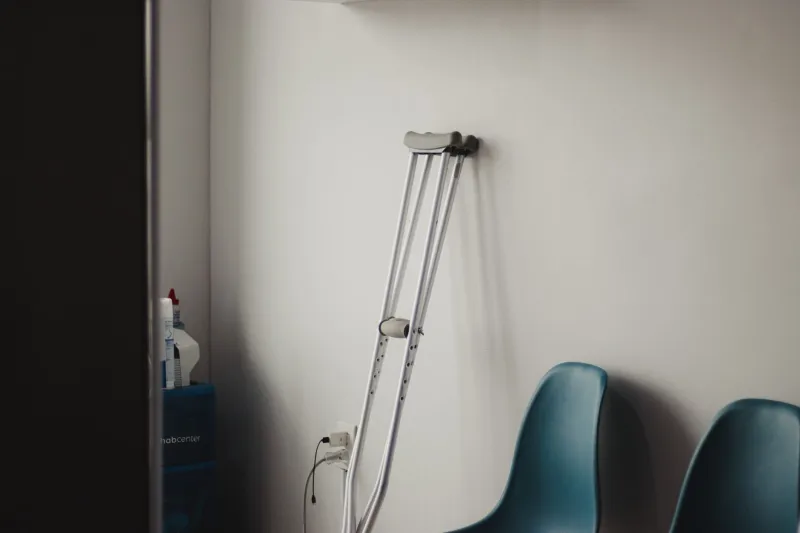
There was a specific kind of boredom that lived inside the waiting room. Not the punishing kind — not the boredom of being stuck in traffic or sitting through a meeting that should have been an email. This was gentler than that. Softer. You'd sink into a plastic chair, glance around at the other people doing the same, and then reach for whatever magazine happened to be on the table in front of you.
It might be six months old. It might be a copy of Field & Stream in a pediatric dentist's office. You'd read it anyway.
That's mostly gone now. You know what replaced it.
The Magazine Rack as a Window Into Someone Else's World
Waiting rooms used to have a particular archaeology to them. The magazines were never current — they were always a few issues behind, slightly curled at the corners, sometimes missing the subscription card that someone had torn out. But flipping through an old National Geographic or a People from three months ago while you waited for your name to be called had its own strange pleasure.
You'd read things you'd never have sought out on your own. A feature about competitive bass fishing. A recipe column. A profile of a musician you'd never heard of. The randomness was the point. Nobody curated it for you. The algorithm didn't know you were there. You just picked something up and read it, and occasionally it surprised you.
The DMV, the doctor's office, the tire shop waiting area — these were places where Americans of completely different backgrounds and income levels sat together in the same uncomfortable chairs and made do with the same limited selection. There was an accidental democracy to it. A shared experience of mild, inescapable waiting.
And sometimes — not always, but sometimes — people talked to each other.
The Stranger You'd Never See Again
This is the part that sounds the most foreign now: strangers used to start conversations in waiting rooms. Not always. Not every time. But the conditions were right for it in a way that they simply aren't anymore.
When everyone around you is looking at a screen, the social contract is clear — everyone is occupied, everyone is unavailable, leave them alone. But when someone is sitting with a magazine they're only half-reading, staring at the wall, or watching the fish tank in the corner, there's an opening. Eye contact happens. A comment about the wait time leads somewhere. You find out the woman next to you grew up in the same city where you went to college. The older gentleman across from you gives you a restaurant recommendation that turns out to be the best meal you have all year.
These weren't life-changing encounters, usually. But they were real human contact with people you hadn't pre-selected. And that kind of unplanned connection — the kind that can't be optimized or scheduled — has become genuinely rare.
Research on loneliness in America consistently finds that people report fewer close friends and less casual social interaction than they did decades ago. Nobody's blaming the smartphone entirely for that shift, but it's hard not to notice the timing.
The Disappearing Art of Sitting With Yourself
Here's the thing about dead time that we don't talk about enough: it wasn't actually dead. When you sat in a waiting room with nothing to do, your brain didn't shut off. It wandered. You'd think about something that happened last week and finally figure out how you felt about it. You'd remember something you'd been meaning to do. You'd let your mind drift in the unfocused, unproductive way that — it turns out — is actually pretty important for mental processing.
Psychologists call it mind-wandering, and it's been linked to creativity, self-reflection, and emotional regulation. The brain needs unstructured time. Not sleep, not entertainment — just open, unprompted thought. The waiting room, irritating as it was, provided exactly that.
Now, the moment any gap appears in our day — a two-minute line at the coffee shop, a thirty-second elevator ride, a red light — most of us reach for the phone. Not because we're expecting anything urgent. Just because the silence feels like something that needs to be filled. The discomfort of having nothing to do has become almost intolerable, and we've built an entire ecosystem of content designed to make sure we never have to feel it.
What we're losing in that trade is the capacity to be bored. And being bored, it turns out, was doing a lot of quiet work on our behalf.
The Waiting Room Is Still There. We Just Left It.
Waiting rooms haven't disappeared. The chairs are still uncomfortable. The fish tank is still there. There's probably still a magazine from four months ago on the side table, and there's still someone across from you who arrived before you did and has been sitting in silence.
The difference is that now almost everyone in that room is somewhere else entirely. Scrolling news, watching a video, texting, shopping. The physical space exists, but the shared experience of simply being in it has dissolved. We're all waiting, technically, but we're not waiting together anymore.
Some people are starting to push back — leaving the phone in their pocket during short waits, making eye contact, picking up the actual magazine. It sounds almost radical described that way, which says something about how far the drift has gone.
The waiting room used to teach you something about patience. About the random texture of other people's lives. About what your own mind does when you give it a little room to move.
Not bad, for a place nobody wanted to be.