When America Trusted the Same Three Voices: The Shared Reality That Cable News Killed
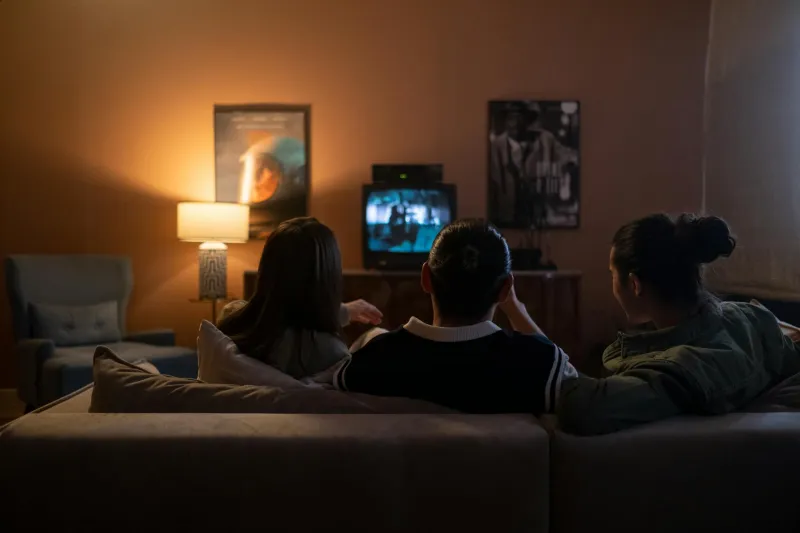
The Nightly Ritual That United a Nation
At 6:30 PM Eastern, something remarkable happened in American homes. Families gathered around television sets to receive the day's news from one of three trusted voices: Walter Cronkite, Tom Brokaw, or Peter Jennings. By 7:00 PM, roughly 50 million Americans had absorbed essentially the same information about the same events, creating a shared foundation of facts that made national conversation possible.
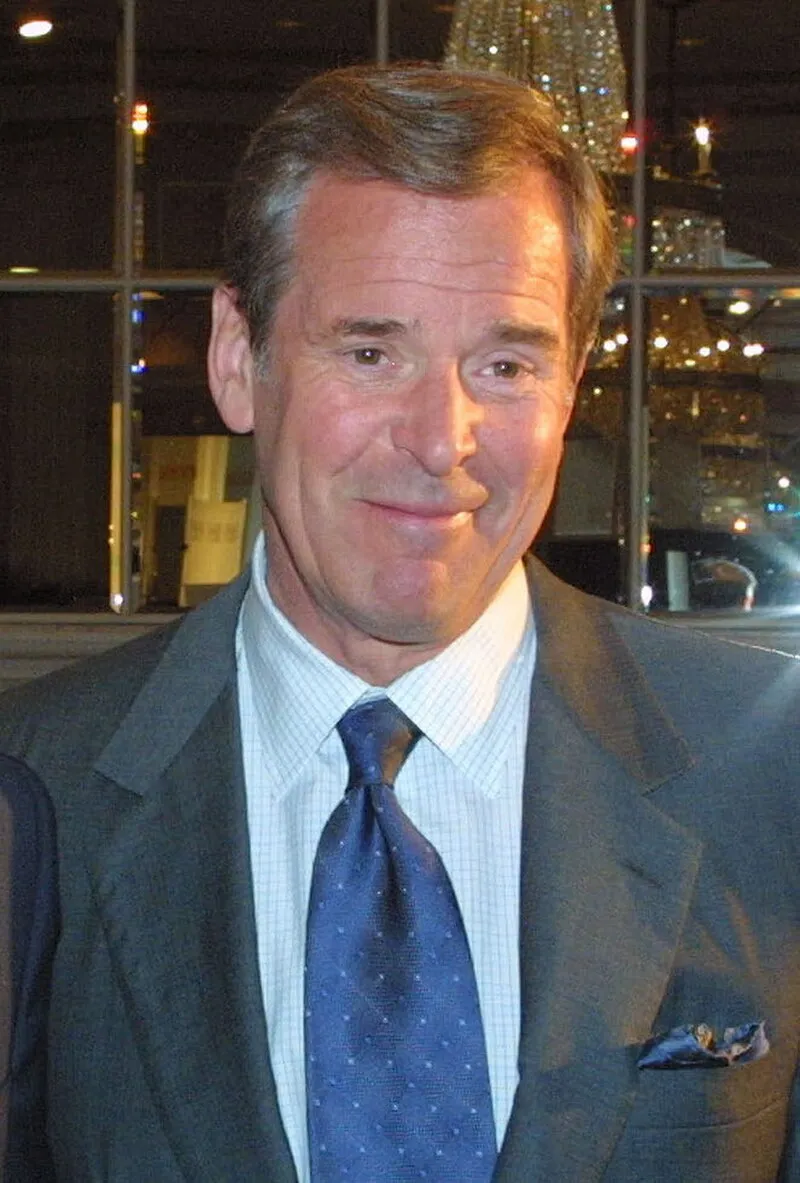 Photo of Peter Jennings, via Wikidata/Wikimedia Commons
 Photo: Tom Brokaw, via assets.aboutamazon.com
 Photo: Walter Cronkite, via www.gartenjournal.net
This wasn't perfect journalism — it was limited, sometimes biased, and constrained by the technology and perspectives of its time. But it accomplished something that seems almost impossible today: it gave Americans a common starting point for understanding their world.
The Gatekeepers We Trusted
The big three networks didn't just deliver news — they curated reality for an entire nation. Their evening broadcasts lasted exactly 22 minutes (plus commercials), forcing editors to distill the day's complexity into digestible segments. What made the cut became part of America's shared consciousness. What didn't largely disappeared from public discourse.
This editorial power was enormous, but it came with equally enormous responsibility. Network news divisions operated as prestige operations, often losing money but gaining credibility. The anchors weren't just journalists — they were national figures whose credibility was their networks' most valuable asset.
"When Walter Cronkite said something, people believed it," recalls former CBS producer Margaret Sullivan. "Not because he was infallible, but because everyone knew his reputation was on the line every single night. There was accountability in a way that's hard to imagine now."
The Economics of Truth
Network news in its golden age operated under different economic pressures than today's media landscape. The evening news wasn't expected to generate huge profits — it was a public service that enhanced the network's overall prestige and satisfied federal broadcasting requirements.
This relative freedom from market pressures allowed for a different kind of journalism. Stories were chosen based on importance rather than engagement metrics. Complex issues received extended coverage even if they weren't particularly exciting. International news commanded significant airtime because educated citizens were expected to understand global events.
The result was a news diet that prioritized civic education over entertainment, information over outrage, and breadth over depth in specialized interests.
The Common Language of Democracy
Perhaps the most valuable aspect of this shared news experience was linguistic: Americans developed a common vocabulary for discussing public issues. When politicians referenced current events, when neighbors debated policy, when water cooler conversations turned to national affairs, everyone was working from the same basic set of facts.
This didn't eliminate disagreement — Americans still argued passionately about Vietnam, civil rights, and economic policy. But they argued from shared premises about what had actually happened. The debate was about interpretation and solutions, not about competing versions of basic reality.
"You could have a political argument with someone and know you were both talking about the same events," says political scientist Dr. James Morrison. "That's become almost impossible when people are getting their news from completely different sources with completely different agendas."
The Cracks in the Foundation
The dominance of network news began eroding in the 1980s, but the decline accelerated rapidly in the 1990s. CNN's 24-hour news cycle changed viewer expectations. Cable television offered alternatives to the big three. The internet provided infinite sources of information and opinion.
More fundamentally, Americans began questioning the authority of traditional gatekeepers. The homogeneity that had once been a source of stability began to feel oppressive. Why should three middle-aged white men in New York determine what the entire country needed to know?
This critique had merit — network news had blind spots, particularly around issues affecting women, minorities, and working-class Americans. The shared reality it created was narrow and sometimes exclusionary.
The Fragmentation Explosion
What replaced the three-network system wasn't necessarily better journalism — it was more journalism, tailored to increasingly specific audiences. Fox News spoke to conservatives. MSNBC addressed liberals. Cable channels emerged for every possible interest and ideology.
The internet accelerated this fragmentation exponentially. Social media algorithms began serving people news that confirmed their existing beliefs rather than challenging them. The concept of a shared national narrative began to seem quaint, then impossible.
Today, Americans don't just consume different news — they inhabit different factual universes. Climate change is either an urgent crisis or a hoax, depending on your media diet. Elections are either legitimate democratic exercises or rigged conspiracies, depending on your preferred sources.
What Democracy Lost
The fragmentation of American news consumption has created unprecedented challenges for democratic governance. How do you build consensus when citizens can't agree on basic facts? How do politicians appeal to a broad coalition when their constituents are consuming completely different information?
The old system's limitations are real and important to acknowledge. Three networks controlled by similar demographics couldn't adequately represent America's full diversity. But the replacement — infinite choice leading to infinite division — has created different problems that may be even more serious.
The Search for New Solutions
Some news organizations are experimenting with approaches that might restore elements of shared factual foundation without returning to the limitations of the three-network era. Fact-checking initiatives, nonprofit journalism, and platforms that highlight news consumption across political divides all represent attempts to rebuild common ground.
But the technological and economic forces driving media fragmentation are powerful. Audiences gravitate toward information that confirms their beliefs. Advertisers pay for engaged audiences, and outrage drives engagement more effectively than balanced reporting.
The Price of Choice
Americans today have access to more news sources, more perspectives, and more information than any generation in history. This represents genuine progress in many ways — marginalized voices can find platforms, specialized interests can find coverage, and geographic barriers to information have largely disappeared.
But this abundance of choice has come with an unexpected cost: the loss of a shared foundation for democratic discourse. The three-network era wasn't perfect, but it provided something that seems increasingly precious: a common understanding of what was actually happening in the world.
Whether Americans can find a way to rebuild that shared foundation while preserving the benefits of media diversity remains one of the central challenges of our time. The alternative — a democracy where citizens literally can't agree on basic facts — is a road that leads nowhere good.