You Used to Be Allowed to Be Sick: The Disappearing Art of Actually Getting Better
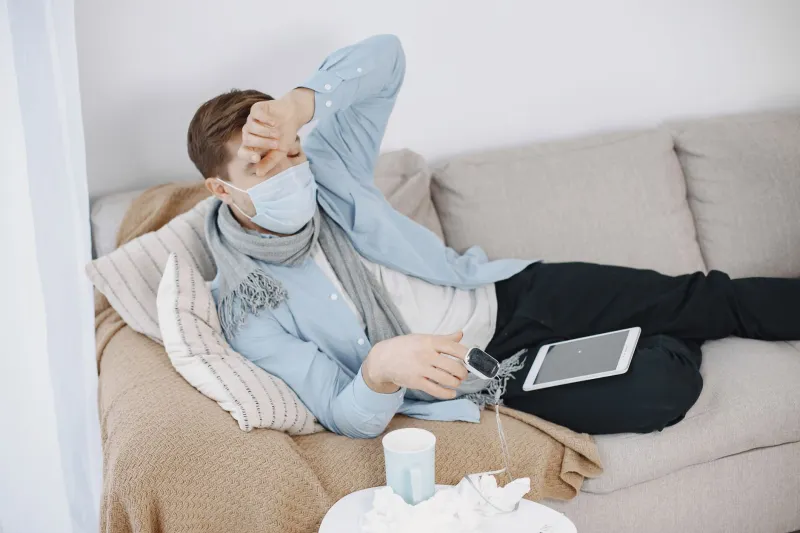
There was a specific kind of day that existed in American life for most of the twentieth century. You woke up feeling wrong — sore throat, fever, that particular heaviness behind the eyes — and the decision was simple. You weren't going in. Your parent called the school, or you called your boss, and that was the end of the negotiation.
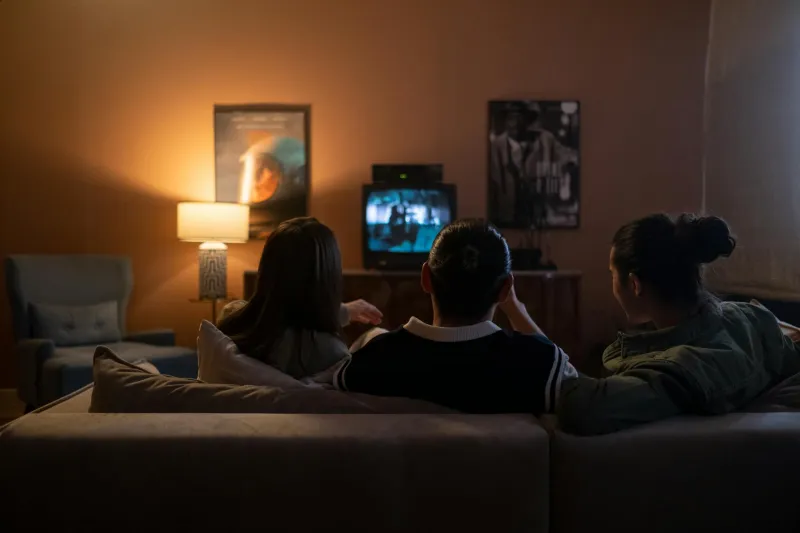
Then came the couch. The blanket. The daytime television that existed in a different register than regular life — game shows, soap operas, local news at noon, a rhythm that belonged entirely to people who weren't supposed to be anywhere. Someone brought you soup, or you made it yourself. The phone didn't ring much. The world continued without you, and everyone understood that was temporary and fine.
The sick day was a recognized institution. It had its own culture, its own rituals, its own unspoken rules. And it has very nearly ceased to exist.
What the Sick Day Used to Mean
For most of the postwar era, the American sick day operated on a straightforward social contract: illness was a legitimate reason to stop. Not a weakness, not an inconvenience to be managed around, not a problem to be minimized — a reason. Full stop.
This wasn't just about physical recovery, though that was the stated purpose. It was also a moment of cultural permission to disengage. The sick person was temporarily exempt from productivity, from availability, from the low-level obligation to be useful. The rest of the household adjusted. The workplace covered. The understanding was that human bodies occasionally broke down, and that pushing through the breakdown didn't actually speed recovery — it just spread misery further and delayed the inevitable.
Doctors reinforced this. Rest was medicine. It still is, technically, but the prescription has become harder to fill.
Children had it best, in some ways. A sick day from school meant a particular kind of suspended animation — too unwell to do anything interesting, but released from the normal demands of the day. The television became a companion. The Price Is Right at ten in the morning felt almost illicit, a glimpse into the daytime world that healthy people never saw. There was ginger ale, maybe saltines, and the specific comfort of being taken care of in a way that ordinary days didn't allow.
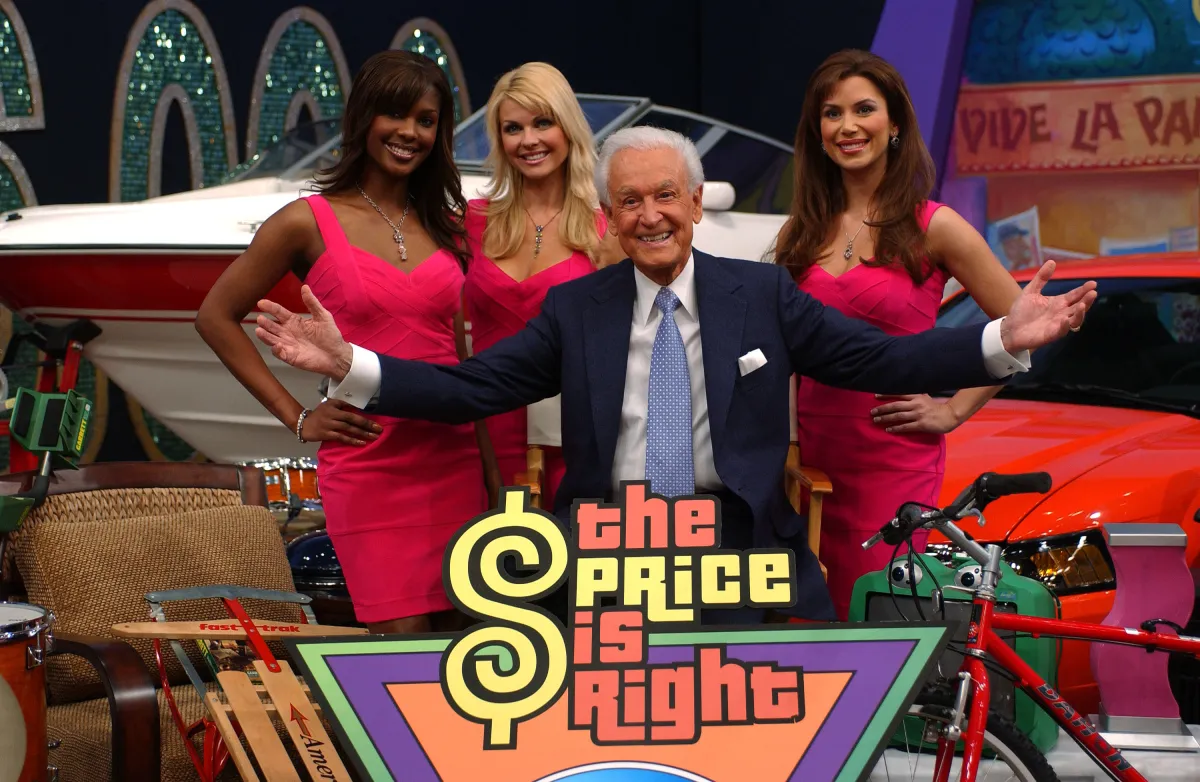 Photo: The Price Is Right, via www.nydailynews.com
The Slow Erosion
The shift didn't happen overnight, and it didn't happen for one reason. Several forces converged over a couple of decades to transform the sick day from a recognized right into something that requires justification.
The laptop made the first incision. When work became portable, the logic of staying home changed. You weren't at the office, but you were reachable. You weren't well enough to commute, but you could answer email. The boundary between sick and working-from-home blurred, and employers — often without any explicit policy change — began to assume that a sick employee with a laptop was a partially available employee.
Remote work accelerated this dramatically. When your home is already your office, the sick day loses its geographic logic entirely. You're already there. What exactly are you taking a day off from? The question sounds reasonable and is, in practice, a trap.
Smartphones finished the job. The device that eliminated the gap between work hours and personal time also eliminated the gap between sick and reachable. A notification doesn't care about your fever. A Slack message arrives whether you're at your desk or horizontal on the couch. The expectation of response — not explicit, but ambient and constant — doesn't pause for illness the way it used to.
The Guilt That Arrived With the Symptoms
Something subtler happened too, alongside the technological changes. Illness became slightly embarrassing.
Hustle culture — the early-2000s rebranding of overwork as virtue — recast rest as a competitive disadvantage. The people worth admiring were the ones who pushed through, who showed up anyway, who didn't let a little sickness slow them down. The employee who came in sick was dedicated. The one who stayed home was fragile.
This was always medically backward and has been particularly costly in the years since 2020. But the cultural message was consistent and cumulative: rest is what you do when you have no other choice, and needing it is something to minimize rather than acknowledge.
So now, when people do take a sick day, they explain themselves. They preemptively apologize in the email that announces their absence. They check in anyway, just to demonstrate that they're still thinking about work. They answer the message that comes in at 2pm because not answering feels like confirmation that they're slacking rather than sick. The ritual of recovery has been colonized by the ritual of justification.
What the Couch Used to Do
Here's what gets lost when rest becomes a character flaw: the body actually needs it.
Sleep is where immune function peaks. Disengagement is where the nervous system recovers. The boring, low-stimulation environment of a genuine sick day — the soup, the daytime television, the quiet — wasn't incidental to recovery. It was the mechanism. Removing it doesn't make illness shorter. It makes it longer, and it makes the person worse company for everyone around them in the meantime.
There's also something worth naming about what the sick day provided emotionally. It was a moment of permission to be human — fallible, physical, temporarily out of commission. That permission has real value in a culture that increasingly treats the body as an inconvenience to be optimized around rather than a fact of life to be accommodated.
The Right to Stop
The sick day was never really about being sick. It was about the cultural agreement that people are allowed to stop sometimes — that productivity has limits, that bodies have needs, and that honoring those needs is not weakness but maintenance.
That agreement is under serious strain. The infrastructure of always-on work, combined with the ambient shame of slowing down, has made genuine rest genuinely radical. Taking a full day off the grid when you're ill — no email, no Slack, no apologetic check-ins — now requires a kind of deliberate resistance that it never used to.
Somewhere, there's still a couch with a blanket on it. There's still soup that helps. The game show is still on at ten in the morning, technically, though it's streaming now and available on demand.
What's harder to find is the permission to lie down and watch it without apologizing.